Government proposes ฿6bn subsidy for EV motorbikes
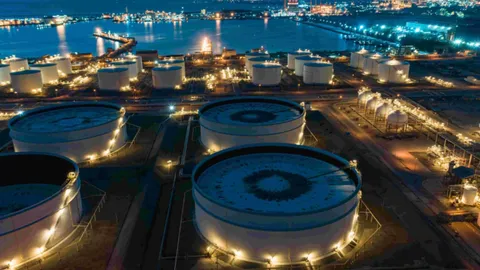
Diversification of oil import sources to reduce risk of domestic shortages
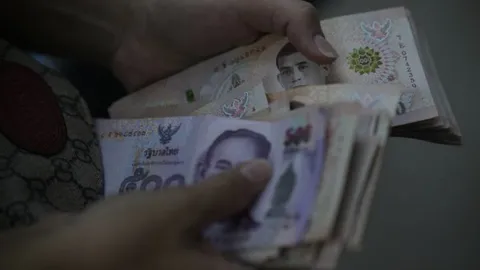
Easing of public burden from oil price rise to cost taxpayers ฿45bn
AI In-Brief
Thailand News in Brief
Thai PBS World
Thailand and the world, every day
AI can make mistakes. Please double-check.
AI In-brief23 Sept 07:08
Easing of public burden from oil price rise to cost taxpayers ฿45bn
The Thai government will allocate 45 billion baht over three months to alleviate the public burden from rising oil and gas prices.
This new expenditure follows 164 billion baht spent since 2020, contributing to the Oil Fund's current deficit of over 32 billion baht.
Key relief measures include capping diesel prices, subsidizing cooking gas for households and welfare card holders, offering fuel discounts for motorcycle taxis, providing special NGV rates for taxi drivers, and maintaining electricity charges for low-consumption households.
AI In-briefYesterday 13:37
Diversification of oil import sources to reduce risk of domestic shortages
Thailand strategically diversified its crude oil import sources, moving beyond a heavy reliance on the Middle East to include countries like Angola, Brazil, and Argentina, to enhance energy security amidst geopolitical uncertainties.
This shift successfully reduced the risk of domestic oil shortages by expanding the range of suppliers, with the US, Australia, and Myanmar emerging as significant import partners.
Despite successful diversification in supply, energy costs have not immediately decreased, primarily due to market mechanisms, transportation expenses, and fluctuating foreign exchange rates.
The oil import price index and fuel product prices have seen significant increases year-on-year, contributing to higher inflation and underscoring ongoing cost challenges despite the expanded supply base.