Khon Kaen woman puts house up for sale after three burglaries
WHO urges government to safeguard ThaiHealth funding, health taxes
Thai PM wants private sector to help improve Bangkok’s bus services
AI In-Brief
Thailand News in Brief
Thai PBS World
Thailand and the world, every day
AI can make mistakes. Please double-check.
Thai PM wants private sector to help improve Bangkok’s bus services
13 Sept 10:46Key points summarised by AI
Thai Prime Minister Prayut Chan-o-cha seeks private sector involvement to upgrade Bangkok’s bus services, aiming to deploy clean energy vehicles, reduce air pollution, and enhance overall service quality.
Private operators will be rigorously assessed using 12 Key Performance Indicators (KPIs), focusing on financial stability, modern clean energy fleets, and equipping buses with GPS, CCTV, and e-ticketing systems.
The initiative aims to improve commuter experience by replacing old buses, extending state welfare cards for low-income earners, and considering the introduction of day tickets for unlimited travel.
This strategic move is part of a broader plan to rehabilitate the debt-ridden Bangkok Mass Transit Authority (BMTA), which had accumulated approximately 127 billion baht in debt by 2020.
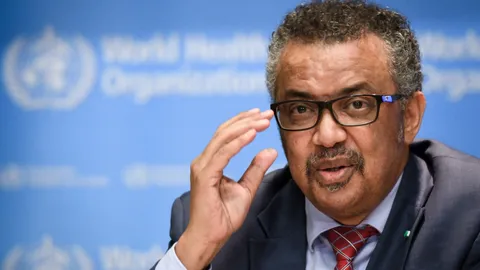
WHO urges government to safeguard ThaiHealth funding, health taxes
Today 18:52Key points summarised by AI
WHO urges the Thai government to ensure stable, long-term funding for the Thai Health Promotion Foundation (ThaiHealth), countering proposals to shift its financing from earmarked taxes to annual budget allocations.
The organization emphasizes maintaining current tax burdens on tobacco and alcohol, highlighting their role in reducing consumption, preventing harm, and generating revenue for public health initiatives.
WHO Director-General praised Thailand's global leadership in tackling major public health challenges and recognized ThaiHealth as an internationally acclaimed model for health promotion and disease prevention.
The WHO underscored the substantial health, social, and economic benefits of sustained investment in prevention and effective taxation measures against products contributing to non-communicable diseases.