Bai Lu meet-and-greet cancelled days after China’s safety warning
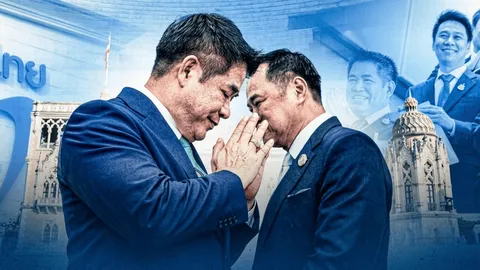
Speculation growing over merger between Bhumjaithai and Kla Tham parties
How a high-profile case reflects Thai society’s views on sexual harassment victims and offenders?
AI In-Brief
Thailand News in Brief
Thai PBS World
Thailand and the world, every day
AI can make mistakes. Please double-check.
How a high-profile case reflects Thai society’s views on sexual harassment victims and offenders?
13 Sept 11:29Key points summarised by AI
A high-profile sexual assault case involving former deputy leader Prinn Panitchpakdi has become Thailand's largest #MeToo incident, exposing deep-seated societal issues.
Victims of sexual harassment, particularly by powerful figures, face significant barriers to reporting due to threats, the perpetrator's authority, and inherent power imbalances.
Thai society often stigmatizes victims, blaming them for assaults and tarnishing their reputation, while patriarchal values protect offenders and discourage women from speaking out.
The Thai justice system is largely unsupportive, lacking empathy and proper training for sexual harassment cases, which re-traumatizes victims and allows powerful perpetrators to evade accountability.
Addressing these issues requires fundamental changes in societal mindsets, fostering respect, ending victim-blaming, and establishing robust support systems and a more empathetic justice system to empower survivors.
Speculation growing over merger between Bhumjaithai and Kla Tham parties
Today 16:46Key points summarised by AI
A dinner between Bhumjaithai and Kla Tham party leaders sparked rumors of a potential merger, though Bhumjaithai's leader, Anutin, downplayed it as a casual meal.
The meeting is widely interpreted as a strategic message from Bhumjaithai to the Pheu Thai party, signaling alternative support ahead of an upcoming no-confidence debate.
Thailand's Constitution (Section 99) currently prohibits direct mergers of parties with sitting MPs during the House's term, a rule designed to prevent the 'buying and selling' of MPs.
While direct mergers are restricted, MPs can still switch parties if dismissed by a three-fourths party vote or if their party dissolves, allowing for indirect political realignments.
Kla Tham's voting behavior in the censure debate will demonstrate its loyalty to the government, potentially influencing future political dynamics despite current merger restrictions.