Public expects most Kla Tham MPs to back Cabinet in censure vote, NIDA Poll finds
Thai government urged to reduce defence budget to fund welfare projects
AI In-Brief
Thailand News in Brief
Thai PBS World
Thailand and the world, every day
AI can make mistakes. Please double-check.
Thai government urged to reduce defence budget to fund welfare projects
14 Sept 02:47Key points summarised by AI
A Thammasat University economist urges the Thai government to significantly reduce defence spending and reallocate funds to bolster welfare projects for the poor, pensioners, and to stimulate the grassroots economy.
The current budget framework is criticized for prioritizing permanent expenditure and defence, with public welfare allocation at a mere 2.6% of GDP, significantly lower than developed countries.
Critics highlight that substantial military procurement, such as new fighter jets, is inappropriate amidst widespread economic hardship, advocating for these funds to be redirected to essential social programs and economic stimulus.
Past political interference has reportedly skewed budget allocations away from public needs, with the military planning an additional 400 billion baht over ten years for defence projects.
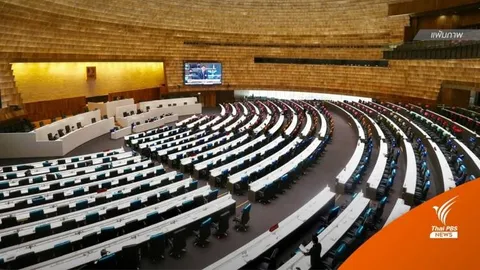
Public expects most Kla Tham MPs to back Cabinet in censure vote, NIDA Poll finds
Yesterday 12:30Key points summarised by AI
A recent NIDA poll indicates that a plurality of the public (30.38%) anticipates Kla Tham Party MPs will vote to support all 18 cabinet ministers targeted in the upcoming no-confidence debate.
Respondents believe the Ministry of Interior (38.78%) and the Prime Minister’s Office (21.37%) will face the toughest questioning during the censure debate.
Economic issues, particularly alleged incompetence in addressing problems (34.27%) and the rising cost of living (25.88%), are cited as the primary concerns for the government during the censure.
The public holds high expectations for the Opposition's case, with 45.65% believing clear, concrete evidence will be presented against all 18 ministers, and 41.22% expecting substantial evidence against specific ministers.