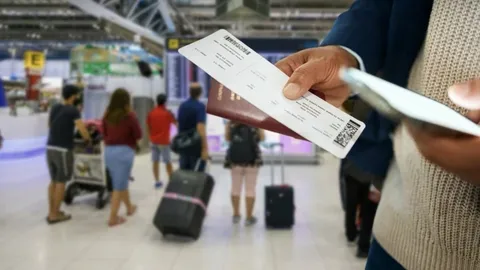
Thai government plans Bt450 landing fee for foreign arrivals next year
PM says Thai PBS funding change is a matter for parliament
Thailand’s Cannabis and Hemp Bill sails through 1st reading in Lower House
AI In-Brief
Thailand News in Brief
Thai PBS World
Thailand and the world, every day
AI can make mistakes. Please double-check.
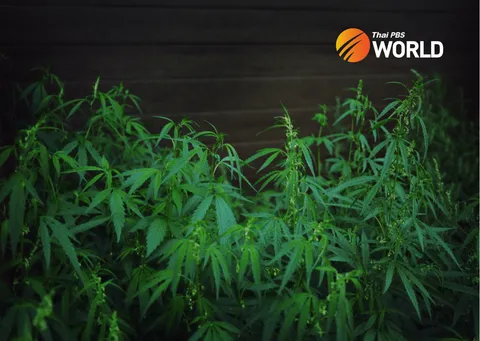
Thailand’s Cannabis and Hemp Bill sails through 1st reading in Lower House
20 Sept 21:42Key points summarised by AI
Thailand's Lower House overwhelmingly passed the first reading of the Cannabis and Hemp Bill, aiming to legalize controlled use, production, sale, import, and export of cannabis, hemp, and their extracts.
The bill's approval coincides with the decriminalization of cannabis and hemp, removing them from the Category 5 narcotics list, with the exception of extracts containing over 0.2% THC.
Public Health Minister Anutin Charnvirakul stated the bill's primary purpose is for medical and health benefits, positioning the plants as economic crops for revenue generation, not for public nuisance.
New regulations allow individuals to grow cannabis or hemp for household consumption after registering with the Thai FDA, while commercial production, import, export, and sales require official permission and are prohibited for those under 20, pregnant, or breastfeeding women.
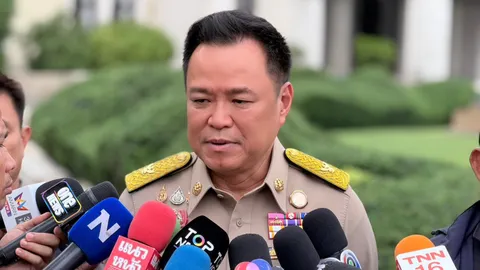
PM says Thai PBS funding change is a matter for parliament
Yesterday 07:14Key points summarised by AI
Prime Minister Anutin Charnvirakul stated that the proposal to shift funding for Thai PBS and three other public organizations from 'sin taxes' to state budget allocations is now a matter for parliamentary consideration, sidestepping concerns about potential government interference.
The proposed amendments, initiated by a Bhumjaithai MP, aim to change the funding arrangements for Thai PBS, the Thai Health Promotion Foundation, the Older Persons Fund, and the National Sports Development Fund, moving them from earmarked alcohol and tobacco taxes to the annual state budget.
Government spokesman Ekkapob Pianpises defended the proposal, asserting it would enhance transparency and public scrutiny of spending without altering the administrative structure of organizations like Thai PBS, ensuring greater accountability to the people.
Ekkapob emphasized that the shift would mandate greater disclosure of expenditures, contrasting it with current practices of Thai PBS and ThaiHealth, and reassured that state funding would not lead to government control, citing the National Health Security Office as a comparable example.