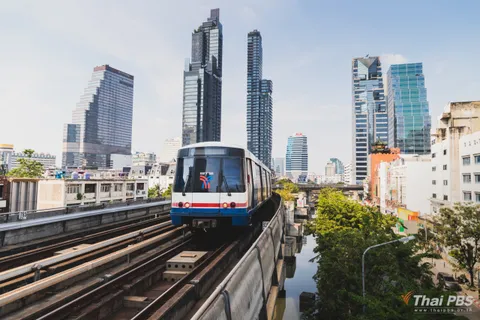
Planned 59-baht maximum fare on BTS extensions opposed
AI In-Brief
Thailand News in Brief
Thai PBS World
Thailand and the world, every day
AI can make mistakes. Please double-check.
Planned 59-baht maximum fare on BTS extensions opposed
14 Sept 01:57Key points summarised by AI
Thailand’s Consumer Council (TCC) vehemently opposes the proposed 59-baht maximum fare for BTS Green Line extensions, asserting the fare should not exceed 44 baht.
TCC argues the 59-baht fare is unaffordable for minimum wage earners and insists the existing 1999-2029 contract stipulates a 44-baht maximum, also proposing a 25-baht flat fare for the entire line post-2029.
Bangkok Governor Chadchart Sittipunt supports the 59-baht cap for the extended lines as a temporary measure to sustain operations, noting these sections have been operating free of charge for years.
The fare dispute stems from the complex multi-phase development of the BTS Green Line, particularly the financing and operational agreements for its various extensions, which have led to an ongoing stalemate regarding construction costs and fare implementation.
Thailand's Education Ministry is implementing a four-pronged strategy to address its students' below-average performance in PISA 2025 and tackle significant educational inequality.
The plan prioritizes closing performance gaps by increasing funding for small and low-income schools, overhauling the curriculum to foster critical thinking, and adopting a data-driven management system to reduce teacher workload.
Key initiatives include enhancing school safety, combating cyberbullying, and expanding mental health support through peer-to-peer networks, recognizing the severe impact of distress on academic performance.
An education expert advises verifying if PISA improvements stem from structural changes, advocating for a revived STEM curriculum with practical 'learn by doing' methods, and urging bureaucratic reform to link teacher evaluations to student development.