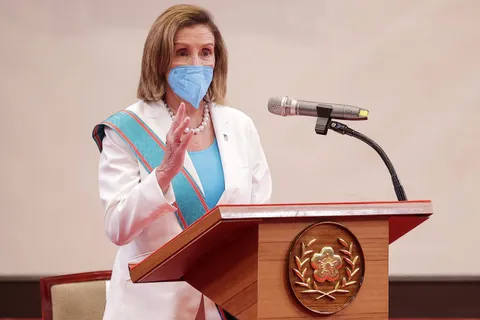
Pelosi's high-profile visit to Taiwan is framed as a critical "Who's the boss" test of global power equilibrium between the US and China.
The visit, if it avoids direct military conflict, strengthens the perception of American influence despite Beijing's strong rhetoric and military exercises.
China faces a strategic dilemma: a restrained response benefits the pro-American status quo, while an aggressive one risks international condemnation.
Pelosi is positioned to enhance her political standing, gaining a "determined" public image, while President Biden and Xi Jinping grapple with the diplomatic aftermath.
The article contextualizes Pelosi's actions within a history of US provocations regarding Taiwan, demonstrating it's not an isolated incident.
Thailand's Education Ministry is implementing a four-pronged strategy to address its students' below-average performance in PISA 2025 and tackle significant educational inequality.
The plan prioritizes closing performance gaps by increasing funding for small and low-income schools, overhauling the curriculum to foster critical thinking, and adopting a data-driven management system to reduce teacher workload.
Key initiatives include enhancing school safety, combating cyberbullying, and expanding mental health support through peer-to-peer networks, recognizing the severe impact of distress on academic performance.
An education expert advises verifying if PISA improvements stem from structural changes, advocating for a revived STEM curriculum with practical 'learn by doing' methods, and urging bureaucratic reform to link teacher evaluations to student development.