Can Thailand’s latest amnesty heal 20 years of political division?
Bangkok becomes stage for grassroots vs globalists, but will IMF-WB change its approach?
Thailand has strong fire-safety laws, so why do deadly nightclub blazes keep happening?
AI In-Brief
Thailand News in Brief
Thai PBS World
Thailand and the world, every day
AI can make mistakes. Please double-check.
Thailand has strong fire-safety laws, so why do deadly nightclub blazes keep happening?
13 Sept 12:02Key points summarised by AI
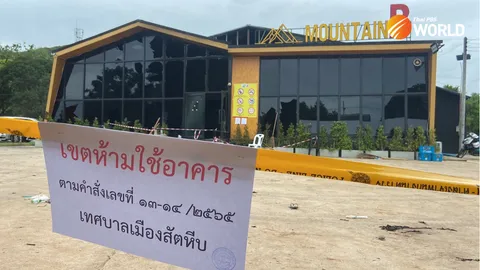
Deadly nightclub fires, such as the recent Mountain B blaze and the 2009 Santika inferno, continue to occur in Thailand despite the existence of strong fire-safety laws.
Investigations consistently reveal critical safety failures, including venues operating without proper licenses, using highly flammable decor, and having inadequate or locked fire exits.
The core problem lies not in the adequacy of safety regulations but in their weak enforcement, stemming from a 'casual attitude towards compliance' by both venue operators and authorities.
This systemic failure to enforce existing laws leads to recurring, preventable tragedies, leaving victims struggling and raising persistent questions about official accountability.
Bangkok becomes stage for grassroots vs globalists, but will IMF-WB change its approach?
22 Oct 17:08Key points summarised by AI
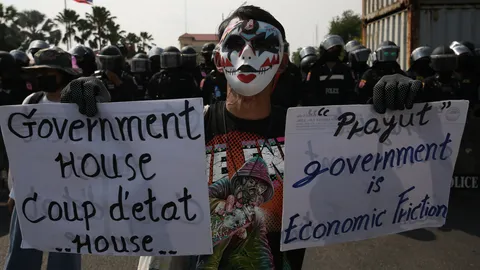
Grassroots protests in Bangkok confronted IMF-World Bank meetings, spotlighting the enduring conflict between global financial interests and local communities harmed by development projects.
Farmers from Ubon Ratchathani, devastated by the World Bank-financed Pak Mun Dam for decades, demanded accountability for submerged lands and disrupted livelihoods, highlighting inadequate compensation.
Experts expressed skepticism that the protests would prompt significant policy shifts from global institutions, noting a tendency to view such impacts as domestic issues despite direct engagement with IMF officials.
The high-level meetings primarily focused on broader global economic challenges, including rising energy prices, high sovereign debt, geopolitical conflicts, and the dual impact of artificial intelligence.
Thailand, as host, showcased its economic integration into AI supply chains and introduced the "Bangkok Blueprint" to combat digital financial fraud, emphasizing responsible innovation and international cooperation.