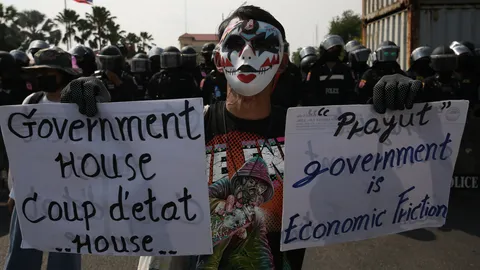
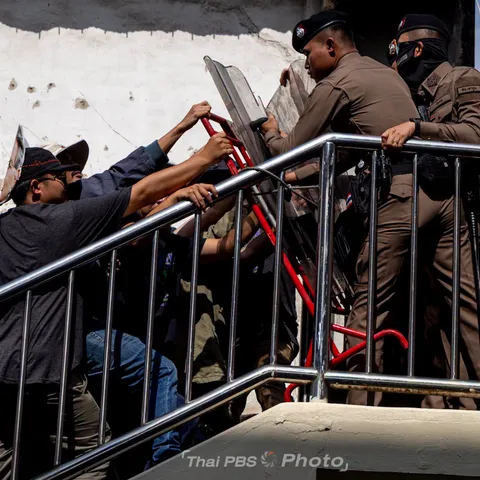
Can Thailand’s latest amnesty heal 20 years of political division?
Bangkok becomes stage for grassroots vs globalists, but will IMF-WB change its approach?
ASEAN wary of change in status quo in Taiwan strait
AI In-Brief
Thailand News in Brief
Thai PBS World
Thailand and the world, every day
AI can make mistakes. Please double-check.
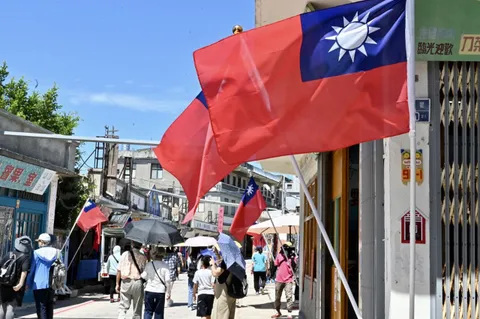
ASEAN wary of change in status quo in Taiwan strait
23 Sept 04:28Key points summarised by AI
ASEAN expresses significant concern over escalating tensions in the Taiwan Strait, fearing a disruption to the regional geopolitical status quo that has historically allowed its members to balance relations with Taiwan and formal ties with mainland China.
The region faces a complex dilemma, as ASEAN members maintain robust economic links with Taiwan while upholding formal diplomatic ties with Beijing, a situation complicated by China's recent military drills and economic pressures following US House Speaker Pelosi's visit.
Scholars emphasize that divergent interpretations of the 'One China' principle and the 'status quo' by Beijing, Taipei, and Washington are key drivers of the heightened tensions, with no clear path to resolution apparent to global stakeholders.
ASEAN foreign ministers have urged maximum restraint and called for an end to provocative actions, offering to leverage regional mechanisms to facilitate peaceful dialogue and de-escalate tensions, though the ASEAN Regional Forum avoided specific mention of Taiwan in its statement.
Bangkok becomes stage for grassroots vs globalists, but will IMF-WB change its approach?
22 Oct 17:08Key points summarised by AI
Grassroots protests in Bangkok confronted IMF-World Bank meetings, spotlighting the enduring conflict between global financial interests and local communities harmed by development projects.
Farmers from Ubon Ratchathani, devastated by the World Bank-financed Pak Mun Dam for decades, demanded accountability for submerged lands and disrupted livelihoods, highlighting inadequate compensation.
Experts expressed skepticism that the protests would prompt significant policy shifts from global institutions, noting a tendency to view such impacts as domestic issues despite direct engagement with IMF officials.
The high-level meetings primarily focused on broader global economic challenges, including rising energy prices, high sovereign debt, geopolitical conflicts, and the dual impact of artificial intelligence.
Thailand, as host, showcased its economic integration into AI supply chains and introduced the "Bangkok Blueprint" to combat digital financial fraud, emphasizing responsible innovation and international cooperation.