Thailand’s bio-circular economy and the problem of imported trash
AI In-Brief
Thailand News in Brief
Thai PBS World
Thailand and the world, every day
AI can make mistakes. Please double-check.
Thailand’s bio-circular economy and the problem of imported trash
24 Sept 08:43Key points summarised by AI
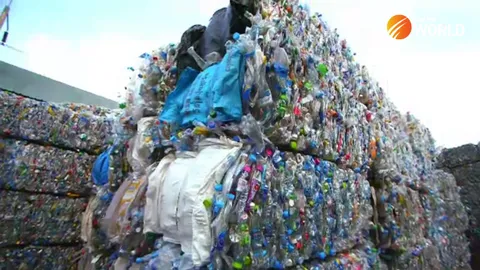
Thailand grapples with a significant influx of imported trash, despite official bans, due to loopholes, false declarations, and ineffective enforcement.
Government policies promoting a 'Bio Circular Economy' have inadvertently led to a boom in waste-processing plants with relaxed environmental and zoning regulations, raising fears of Thailand becoming a global dumpsite.
China's 2018 ban on solid waste imports redirected massive amounts of plastic waste to Thailand, overwhelming its capacity and creating severe environmental challenges.
Existing exemptions, particularly for free zones, threaten to undermine Thailand's 2025 goal of banning all plastic waste imports, allowing foreign trash to continue flowing in and negatively impacting local waste collectors.
Thailand's Education Ministry is implementing a four-pronged strategy to address its students' below-average performance in PISA 2025 and tackle significant educational inequality.
The plan prioritizes closing performance gaps by increasing funding for small and low-income schools, overhauling the curriculum to foster critical thinking, and adopting a data-driven management system to reduce teacher workload.
Key initiatives include enhancing school safety, combating cyberbullying, and expanding mental health support through peer-to-peer networks, recognizing the severe impact of distress on academic performance.
An education expert advises verifying if PISA improvements stem from structural changes, advocating for a revived STEM curriculum with practical 'learn by doing' methods, and urging bureaucratic reform to link teacher evaluations to student development.