Innovative technology can help protect coral reefs and you can too
AI In-Brief
Thailand News in Brief
Thai PBS World
Thailand and the world, every day
AI can make mistakes. Please double-check.
Innovative technology can help protect coral reefs and you can too
23 Sept 03:24Key points summarised by AI
Coral reefs, vital for marine life, coastal protection, and local economies, are severely threatened by climate change, pollution, and unsustainable practices, with a significant portion of Thai reefs damaged.
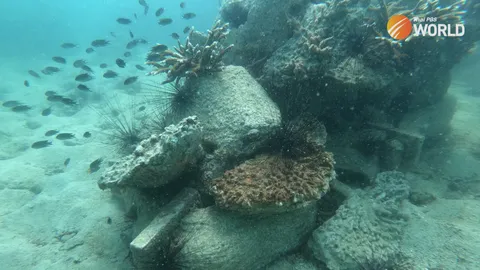
Thai organizations, including the Earth Agenda Foundation and Chulalongkorn University, are spearheading restoration efforts through innovative projects like "Innovareef," a 3D-printed artificial coral reef.
"Innovareef" utilizes durable, cement-based materials to create complex structures that mimic natural reefs, providing an ideal substrate for coral settlement and shelter for marine creatures.
Research demonstrates the success of "Innovareef," showing coral settlement rates 2-3 times faster than conventional methods and rapid colonization by diverse marine species within a month.
Protecting coral reefs demands collective action, urging individuals to reduce water usage, support sustainable tourism, adhere to reef guidelines, and practice proper waste disposal to minimize environmental impact.
Thailand's Education Ministry is implementing a four-pronged strategy to address its students' below-average performance in PISA 2025 and tackle significant educational inequality.
The plan prioritizes closing performance gaps by increasing funding for small and low-income schools, overhauling the curriculum to foster critical thinking, and adopting a data-driven management system to reduce teacher workload.
Key initiatives include enhancing school safety, combating cyberbullying, and expanding mental health support through peer-to-peer networks, recognizing the severe impact of distress on academic performance.
An education expert advises verifying if PISA improvements stem from structural changes, advocating for a revived STEM curriculum with practical 'learn by doing' methods, and urging bureaucratic reform to link teacher evaluations to student development.