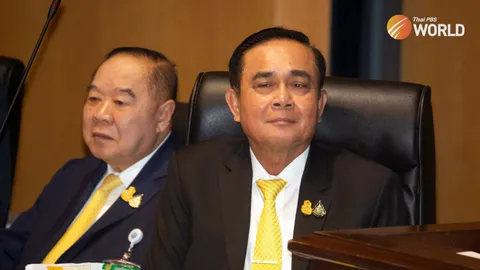
The Constitutional Court's ruling allows Prayut Chan-o-cha to continue as Prime Minister, signaling a new, more divided phase in Thailand's political landscape.
Prayut functions as a 'proxy' in a deep ideological conflict, with his continued presence, despite declining popularity, remaining a key factor for his political faction.
The verdict is expected to intensify opposition efforts and serve as a rallying cry for the upcoming general election, further testing the Thai public's patience and highlighting the ongoing struggle for genuine democratic reform.
Thailand's Education Ministry is implementing a four-pronged strategy to address its students' below-average performance in PISA 2025 and tackle significant educational inequality.
The plan prioritizes closing performance gaps by increasing funding for small and low-income schools, overhauling the curriculum to foster critical thinking, and adopting a data-driven management system to reduce teacher workload.
Key initiatives include enhancing school safety, combating cyberbullying, and expanding mental health support through peer-to-peer networks, recognizing the severe impact of distress on academic performance.
An education expert advises verifying if PISA improvements stem from structural changes, advocating for a revived STEM curriculum with practical 'learn by doing' methods, and urging bureaucratic reform to link teacher evaluations to student development.