OECD supports Thailand’s accession to the organisation in 2028
Thailand secures US$200m World Bank loan for clean energy and low carbon cities
The huge hole in Thailand’s disaster alerts
AI In-Brief
Thailand News in Brief
Thai PBS World
Thailand and the world, every day
AI can make mistakes. Please double-check.
The huge hole in Thailand’s disaster alerts
13 Sept 10:56Key points summarised by AI
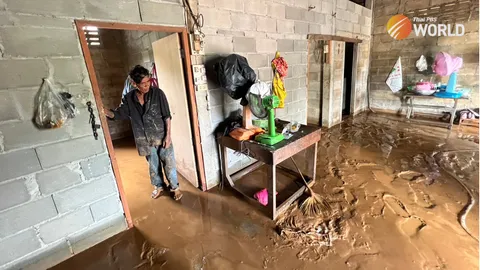
Thailand's disaster alert system is severely deficient, failing to provide timely and effective warnings to the public, leaving residents to cope with annual floods on their own.
Unlike international standards requiring 120-hour advance warnings, Thai alerts are often issued too late or only to officials, lacking crucial details like specific affected areas, flood height, and duration.
Existing Thai solutions, such as a new app and limited-range warning towers, prove inadequate, while many other countries successfully implement direct public notification systems via SMS or wireless emergency alerts.
The absence of a robust, public-facing alert system highlights a critical gap in Thailand's flood management, forcing locals to rely on outdated methods or social media for information.
Thailand secures US$200m World Bank loan for clean energy and low carbon cities
Today 09:24Key points summarised by AI
Thailand secured a US$200 million loan from the World Bank to significantly invest in clean energy and low-carbon urban development initiatives.
The program aims to drive clean energy funding and low-carbon growth, ensuring a just transition for small and medium-sized enterprises, workers, farmers, and local communities.
Channelled through the Export-Import Bank of Thailand, the loan will fund energy efficiency upgrades in public buildings and industrial areas, including rooftop solar installations and electrical system modernizations, reducing initial capital burdens via Energy Service Companies (ESCOs).