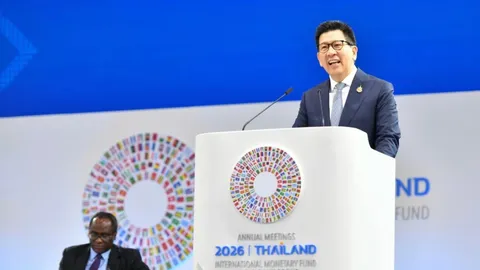
OECD supports Thailand’s accession to the organisation in 2028
Thailand secures US$200m World Bank loan for clean energy and low carbon cities
Ubon Ratchathani Zoo closed indefinitely due to flooding, animals are safe
AI In-Brief
Thailand News in Brief
Thai PBS World
Thailand and the world, every day
AI can make mistakes. Please double-check.
Ubon Ratchathani Zoo closed indefinitely due to flooding, animals are safe
21 Sept 04:17Key points summarised by AI
Ubon Ratchathani Zoo has closed indefinitely due to severe flooding impacting its main access and tourist service areas, though the approximately 600 animals are currently safe within a protected, sandbagged zone.
The Zoological Park Organisation assures ample food supplies for a month and has deployed veterinarians from other zoos, with additional provisions delivered, to care for the animals, despite concerns for hoofed animals if exposed to prolonged wet conditions.
Ubon Ratchathani faces a prolonged flood crisis, with the Mun River's water level at 11.51 meters (exceeding 2019's severe flood), affecting 19 districts and over 46,000 people, with floodwaters expected to persist for another month.
Local residents express strong dissatisfaction with the provincial administration's slow and outdated flood briefings, demanding immediate action to drain water from the province rather than just promises of future assistance.
Thailand secures US$200m World Bank loan for clean energy and low carbon cities
Yesterday 09:24Key points summarised by AI
Thailand secured a US$200 million loan from the World Bank to significantly invest in clean energy and low-carbon urban development initiatives.
The program aims to drive clean energy funding and low-carbon growth, ensuring a just transition for small and medium-sized enterprises, workers, farmers, and local communities.
Channelled through the Export-Import Bank of Thailand, the loan will fund energy efficiency upgrades in public buildings and industrial areas, including rooftop solar installations and electrical system modernizations, reducing initial capital burdens via Energy Service Companies (ESCOs).