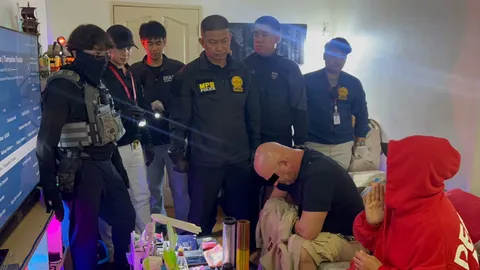
Israeli and Thai nationals held in Bangkok over secret filming of sexual encounters
Broken bridge over troubled water
High-profile attack prompts question: Is violence legitimate in Thai politics?
AI In-Brief
Thailand News in Brief
Thai PBS World
Thailand and the world, every day
AI can make mistakes. Please double-check.
High-profile attack prompts question: Is violence legitimate in Thai politics?
13 Sept 09:16Key points summarised by AI
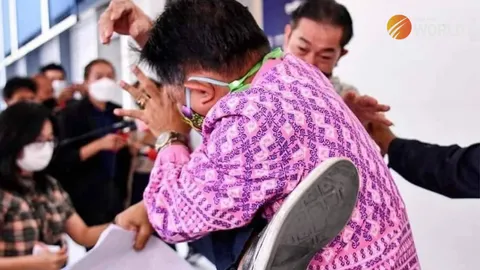
A self-declared red-shirt activist, Veerawich Rungruangsiriphol, publicly assaulted Srisuwan Janya, Thailand’s “complainer-in-chief,” during a live YouTube broadcast, immediately triggering national headlines.
Veerawich justified his attack as a 'lesson' for Srisuwan's persistent political complaints, specifically after Srisuwan attempted to charge a comedian for allegedly inciting protests.
The incident ignited a heated debate across social media and among political figures regarding the legitimacy of physical violence in resolving political disputes, with opinions sharply divided between condemnation and justification.
The attacker, a long-time red-shirt supporter, cited personal grievances stemming from government policies and a history of anti-government activism, framing his actions within a broader political context.
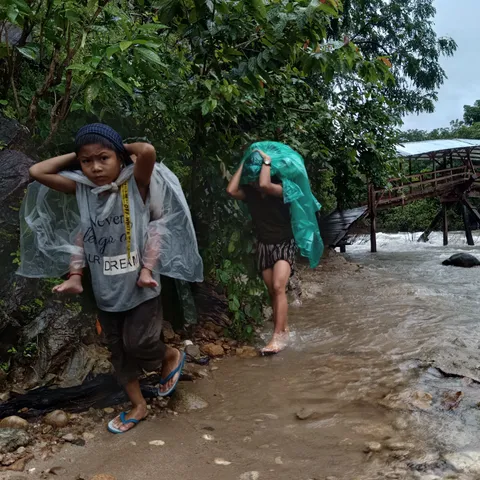
Broken bridge over troubled water
22 Oct 18:40Key points summarised by AI
The Karen National Army (KNA), controlling scam-ridden border areas, faces sanctions for complicity in cyber scams and human trafficking, highlighting a "broken bridge" of trust and protection for vulnerable youth.
Thousands of young people, driven by crippling poverty, political instability, and mandatory military service in Myanmar, are pushed into "troubled waters" by voluntarily entering scam compounds, where they face "forced criminality" and exploitation.
Criminal syndicates expertly exploit the desperation and lack of options among disadvantaged youth, who often possess low education and income, by offering deceptive opportunities that perpetuate their cycle of vulnerability.
The crisis is fueled by deep-seated socio-economic issues, requiring a nuanced understanding beyond simple victim/villain narratives, as current responses lag behind the syndicates' sophisticated and adaptable operations.