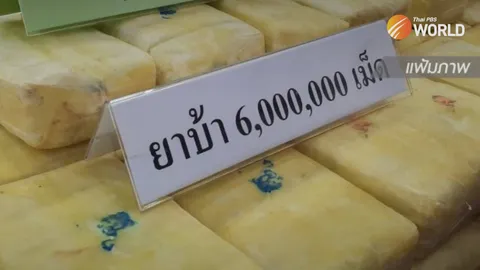
Thai provinces told to submit list of suspected drug dealers and known addicts to Interior Ministry
AI In-Brief
Thailand News in Brief
Thai PBS World
Thailand and the world, every day
AI can make mistakes. Please double-check.
Thai provinces told to submit list of suspected drug dealers and known addicts to Interior Ministry
14 Sept 09:39Key points summarised by AI
All provincial administrations are mandated to submit lists of suspected drug dealers and addicts to the Interior Ministry by month-end, creating a central database for drug policy development.
Provinces must provide weekly updates on the drug situation, engage community networks in rehabilitation programs, and conduct random drug tests on their own staff for addiction.
A nationwide campaign will educate the public on drug dangers and encourage reporting of illegal activities, with an aim to establish one drug rehabilitation facility in each district or sub-district.
This intensified government policy on drug dealing and addiction directly responds to the Nong Bua Lamphu mass shooting, which prompted public demands for tougher action against illegal drugs.
Thailand's Education Ministry is implementing a four-pronged strategy to address its students' below-average performance in PISA 2025 and tackle significant educational inequality.
The plan prioritizes closing performance gaps by increasing funding for small and low-income schools, overhauling the curriculum to foster critical thinking, and adopting a data-driven management system to reduce teacher workload.
Key initiatives include enhancing school safety, combating cyberbullying, and expanding mental health support through peer-to-peer networks, recognizing the severe impact of distress on academic performance.
An education expert advises verifying if PISA improvements stem from structural changes, advocating for a revived STEM curriculum with practical 'learn by doing' methods, and urging bureaucratic reform to link teacher evaluations to student development.