Can Thailand’s latest amnesty heal 20 years of political division?
Bangkok becomes stage for grassroots vs globalists, but will IMF-WB change its approach?
Defections, mergers and mudslinging signal start of Thai election countdown
AI In-Brief
Thailand News in Brief
Thai PBS World
Thailand and the world, every day
AI can make mistakes. Please double-check.
Defections, mergers and mudslinging signal start of Thai election countdown
13 Sept 10:46Key points summarised by AI
Thai political parties are actively campaigning, employing populist measures, and leveling allegations as the general election countdown intensifies, with MPs prioritizing constituency visits over House meetings.
A new two-ballot electoral system, requiring significantly more votes for party-list seats, is compelling smaller parties to pursue mergers and alliances to enhance their survival and electoral prospects.
Key political realignments include the unofficial merger of Chart Pattana and Kla, while other new parties like Thai Sang Thai and Sarng Anakot Thai are engaged in complex, ongoing merger negotiations.
Prime Minister Prayut Chan-o-cha is widely expected to defect from the ruling party and lead a new political entity, Ruam Thai Sang Chart, attracting defectors to bid for another term in office.
The current political landscape, characterized by strategic defections, mergers, and intense maneuvering, is anticipated to undergo significant shifts and become clearer following the upcoming APEC Summit.
Bangkok becomes stage for grassroots vs globalists, but will IMF-WB change its approach?
22 Oct 17:08Key points summarised by AI
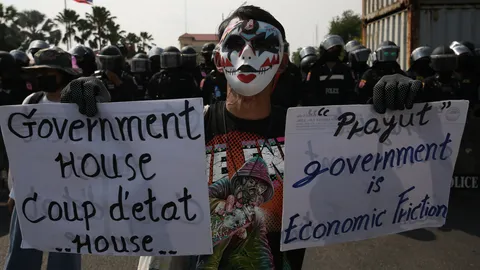
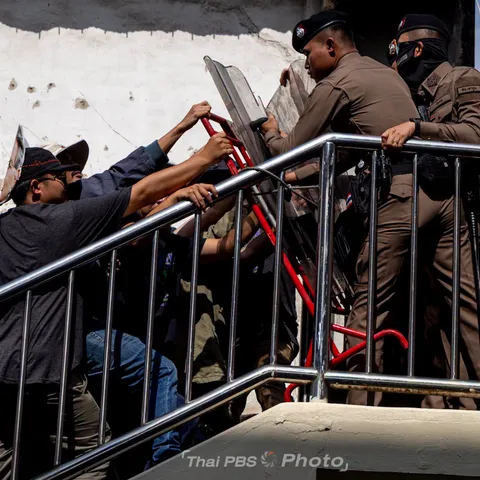
Grassroots protests in Bangkok confronted IMF-World Bank meetings, spotlighting the enduring conflict between global financial interests and local communities harmed by development projects.
Farmers from Ubon Ratchathani, devastated by the World Bank-financed Pak Mun Dam for decades, demanded accountability for submerged lands and disrupted livelihoods, highlighting inadequate compensation.
Experts expressed skepticism that the protests would prompt significant policy shifts from global institutions, noting a tendency to view such impacts as domestic issues despite direct engagement with IMF officials.
The high-level meetings primarily focused on broader global economic challenges, including rising energy prices, high sovereign debt, geopolitical conflicts, and the dual impact of artificial intelligence.
Thailand, as host, showcased its economic integration into AI supply chains and introduced the "Bangkok Blueprint" to combat digital financial fraud, emphasizing responsible innovation and international cooperation.