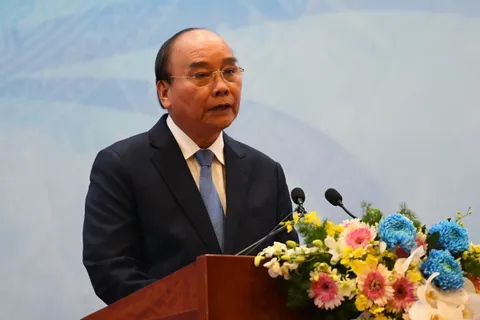
Opinion: Significance of Vietnamese President Phúc’s visit
AI In-Brief
Thailand News in Brief
Thai PBS World
Thailand and the world, every day
AI can make mistakes. Please double-check.
Opinion: Significance of Vietnamese President Phúc’s visit
13 Sept 13:52Key points summarised by AI
**Elevates Bilateral Ties**: President Phúc's visit marks a significant upgrade in Thailand-Vietnam relations to a "strengthened strategic partnership," a crucial diplomatic milestone ahead of the APEC summit.
**Deepens Regional Cooperation**: The visit aims to enhance collaboration within Mekong and ASEAN frameworks, addressing fast-changing regional security environments and promoting peace and stability.
**Boosts Economic Partnership**: Vietnam stands as Thailand's fifth-largest trading partner globally and second in ASEAN, with the visit set to further strengthen their substantial bilateral trade and investment ties.
**Expands Sectoral Collaboration**: Discussions will cover diverse areas, including joint efforts to mitigate illegal fishing, bolster security cooperation, and capitalize on the thriving tourism sector.
**Reinforces Mekong Leadership**: Vietnam's crucial role as a key driver in Mekong sub-region development, advocating for critical issues like water management and biodiversity, is central to the bilateral agenda.
Thailand's Education Ministry is implementing a four-pronged strategy to address its students' below-average performance in PISA 2025 and tackle significant educational inequality.
The plan prioritizes closing performance gaps by increasing funding for small and low-income schools, overhauling the curriculum to foster critical thinking, and adopting a data-driven management system to reduce teacher workload.
Key initiatives include enhancing school safety, combating cyberbullying, and expanding mental health support through peer-to-peer networks, recognizing the severe impact of distress on academic performance.
An education expert advises verifying if PISA improvements stem from structural changes, advocating for a revived STEM curriculum with practical 'learn by doing' methods, and urging bureaucratic reform to link teacher evaluations to student development.