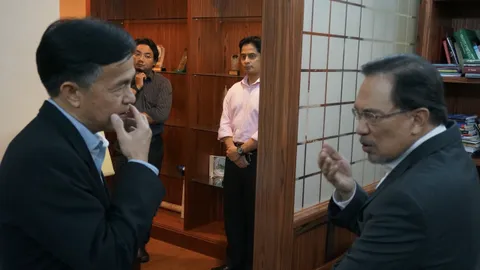
Anwar Ibrahim, as Malaysia's Prime Minister, is expected to actively engage in resolving the southern Thailand conflict, a position he consistently advocated since 2014.
He urged Malaysia to adopt a more assertive role in facilitating dialogue and clearly supporting a peaceful resolution, criticizing previous administrations for inconsistent messaging.
Anwar emphasized direct engagement with Bangkok, highlighting issues of poverty and marginalization, and called for insurgent groups to disarm while ensuring their rights to language, culture, and religion are upheld.
He stressed that Malaysia should leverage its influence to convey legitimate demands from affected groups but firmly reject all forms of armed insurrection and violence.
Thailand's Education Ministry is implementing a four-pronged strategy to address its students' below-average performance in PISA 2025 and tackle significant educational inequality.
The plan prioritizes closing performance gaps by increasing funding for small and low-income schools, overhauling the curriculum to foster critical thinking, and adopting a data-driven management system to reduce teacher workload.
Key initiatives include enhancing school safety, combating cyberbullying, and expanding mental health support through peer-to-peer networks, recognizing the severe impact of distress on academic performance.
An education expert advises verifying if PISA improvements stem from structural changes, advocating for a revived STEM curriculum with practical 'learn by doing' methods, and urging bureaucratic reform to link teacher evaluations to student development.