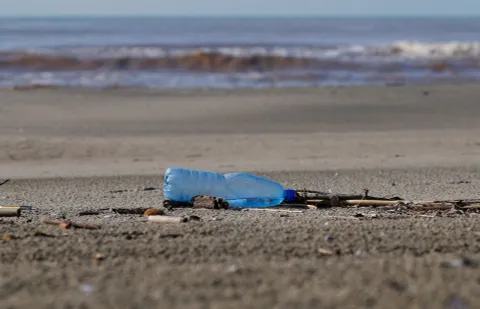
Countries split on plastics treaty focus as UN talks close
AI In-Brief
Thailand News in Brief
Thai PBS World
Thailand and the world, every day
AI can make mistakes. Please double-check.
Countries split on plastics treaty focus as UN talks close
23 Sept 07:07Key points summarised by AI
The first round of UN negotiations for a global plastics treaty concluded with a fundamental split: some nations advocate for mandatory global production curbs, while others prefer voluntary, country-led waste management pledges.
The 'High Ambition Coalition' (including EU members) pushes for a legally binding framework with production limits, contrasting with countries like the U.S. and Saudi Arabia, which favor national action plans focused on plastic litter.
Environmental groups warn that a weak treaty could lead to a significant increase in plastic production, while industry representatives prioritize recycling and waste management over production reduction.
A growing consensus acknowledges plastic pollution as a broader issue involving chemical composition, not just marine litter, signifying a shift in the global understanding of the problem.
Thailand's Education Ministry is implementing a four-pronged strategy to address its students' below-average performance in PISA 2025 and tackle significant educational inequality.
The plan prioritizes closing performance gaps by increasing funding for small and low-income schools, overhauling the curriculum to foster critical thinking, and adopting a data-driven management system to reduce teacher workload.
Key initiatives include enhancing school safety, combating cyberbullying, and expanding mental health support through peer-to-peer networks, recognizing the severe impact of distress on academic performance.
An education expert advises verifying if PISA improvements stem from structural changes, advocating for a revived STEM curriculum with practical 'learn by doing' methods, and urging bureaucratic reform to link teacher evaluations to student development.