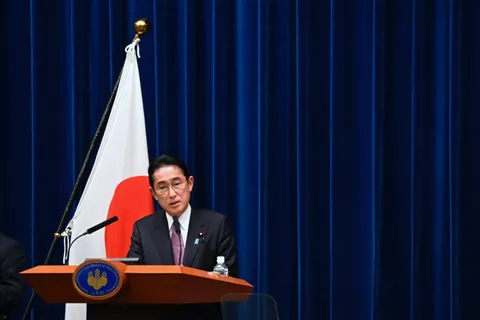
Japan has fundamentally shifted its post-war pacifist stance, adopting an assertive defense strategy backed by new national security documents.
Its defense budget will increase to 2% of GDP, prioritizing offensive capabilities through the procurement of US Tomahawk missiles.
Southeast Asia must adapt to a militarily stronger Japan, which is investing significantly in defense while navigating historical concerns of renewed militarism.
Tokyo aims to deepen strategic ties with ASEAN, integrating security elements into regional development, and sharing the burden of regional stability with allies.
Thailand's Education Ministry is implementing a four-pronged strategy to address its students' below-average performance in PISA 2025 and tackle significant educational inequality.
The plan prioritizes closing performance gaps by increasing funding for small and low-income schools, overhauling the curriculum to foster critical thinking, and adopting a data-driven management system to reduce teacher workload.
Key initiatives include enhancing school safety, combating cyberbullying, and expanding mental health support through peer-to-peer networks, recognizing the severe impact of distress on academic performance.
An education expert advises verifying if PISA improvements stem from structural changes, advocating for a revived STEM curriculum with practical 'learn by doing' methods, and urging bureaucratic reform to link teacher evaluations to student development.