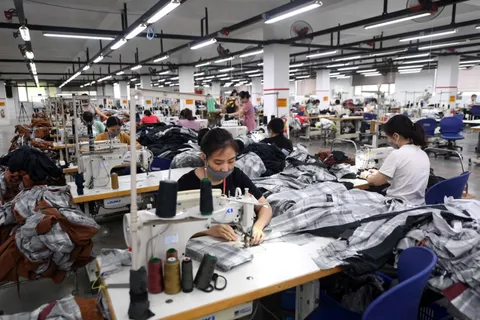
Vietnam's textile industry is proactively adopting green production methods to meet stringent global market demands and expand exports.
This transition enables domestic enterprises to secure international green certifications, significantly improving product quality and consumer trust.
Despite the inherent challenges of transforming entire production chains, successful implementations highlight Vietnam's strong potential for green growth in textiles.
Industry leaders emphasize crucial steps like enhancing raw material quality, ensuring operational transparency, and integrating renewable energy and water-saving technologies.
The sector aims to develop a comprehensive green value chain, targeting $47 billion in exports by 2023 to establish Vietnam as a global textile and garment hub.
AI In-briefYesterday 13:12
Strategy to normalise Thai-Cambodia ties
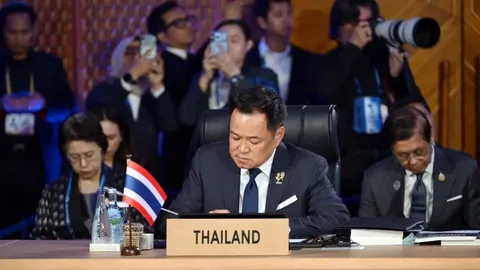
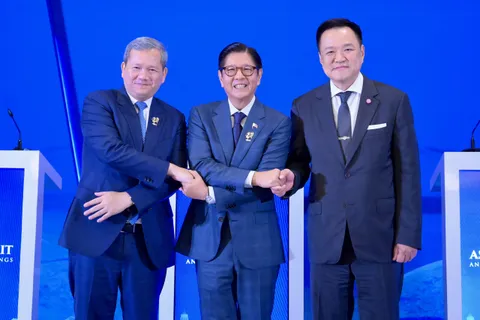
A new report by the Institute of Strategic Policy (ISP) outlines a comprehensive strategy to achieve long-term diplomatic normalisation between Thailand and Cambodia, addressing persistent border friction.
The strategy begins with immediate de-escalation, enforcing strict troop stand-downs in contested zones, and empowering independent ASEAN observers to verify ceasefire compliance.
It emphasizes building confidence through direct media and diplomatic channels to combat disinformation, curb hostile rhetoric, and rebuild official trust between the nations.
For lasting stability, the plan calls for long-term institutional coexistence, including joint management of contested cultural sites, restoring local cross-border trade, and fostering shared regional economic interests.