Nationwide crackdown launched on illegal nominee shareholders and land holdings
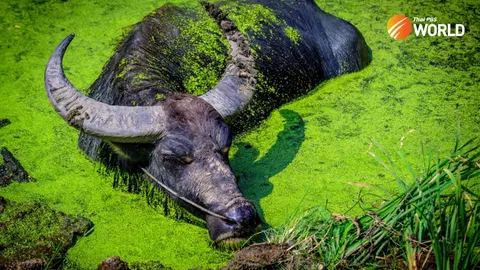
“You buffalo!” How this animal became an insult in Thai
AI In-Brief
Thailand News in Brief
Thai PBS World
Thailand and the world, every day
AI can make mistakes. Please double-check.
“You buffalo!” How this animal became an insult in Thai
28 Sept 05:57Key points summarised by AI
The Thai insult "Ai Kwai" (you buffalo) signifies stupidity and submissiveness, rooted in the animal's historical role in agriculture where it's seen as easily exploited.
A recent controversy involved Thailand's Interior Ministry Permanent Secretary using this derogatory term against a subordinate, sparking widespread criticism for his condescending behavior.
Using terms like "you buffalo" is legally punishable under Thai law (Section 393 of the Civil and Criminal Code), with potential fines or imprisonment for causing humiliation.
The incident highlights the importance of treating all individuals with respect, regardless of their position or background, and that seniority does not grant the right to demean others.
Nationwide crackdown launched on illegal nominee shareholders and land holdings
Today 15:20Key points summarised by AI
Thailand's Prime Minister Anutin Charnvirakul initiated a nationwide crackdown on illegal Thai nominee shareholders in foreign-run businesses and land holdings to safeguard national interests.
The government will integrate efforts across all relevant agencies to target illicit foreign operations, forced sales of illegally acquired property, and high-risk land ownership schemes.
Key strategies include auditing suspect land and building holdings, establishing a long-term monitoring system, and cross-referencing data from various authorities to trace ultimate beneficial owners.
Prime Minister Anutin emphasized that no influential figures or corrupt officials are above the law, promising straightforward prosecution, asset seizures, and protection for enforcing officers.
Beyond land ownership, the integrated crackdown will also extend to tackle transnational crimes, including drug and human trafficking.