Washington has a plan for Myanmar. Who can deliver it?
Ancient loose cannon that can go dud or else
AI In-Brief
Thailand News in Brief
Thai PBS World
Thailand and the world, every day
AI can make mistakes. Please double-check.
AI In-brief15 Sept 03:37
Ancient loose cannon that can go dud or else
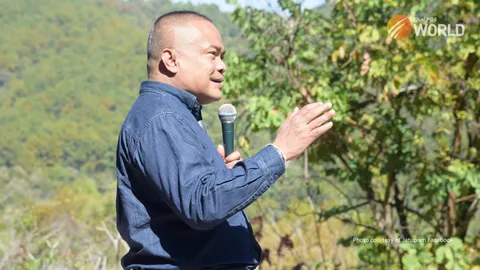
Veteran political activist Jatuporn Prompan, a former ally, is fiercely criticizing the Pheu Thai Party and its patriarch Thaksin Shinawatra, despite the party's expected landslide election victory.
Jatuporn's attacks center on Thaksin's potential return, warning it could destabilize Thailand and lead the country back to 'Square One,' while also questioning Pheu Thai's integrity regarding rumored alliances with rival parties.
He alleges past betrayals, claiming former ministers were 'duped' into facing jail terms while others fled, further fueling his accusations against Thaksin and the party.
Pheu Thai is largely attempting to ignore or downplay Jatuporn's 'loose cannon' remarks, focusing on their election goals, while Thaksin has offered subtle retorts, highlighting the tumultuous history between them.
AI In-brief13 Nov 22:16
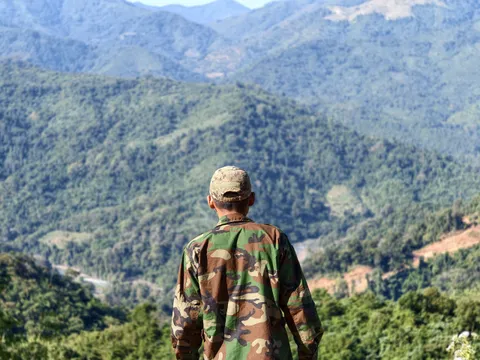
Washington has a plan for Myanmar. Who can deliver it?
The U.S. has unveiled a renewed engagement strategy for Myanmar, aiming to end the conflict by July 2030, focusing on security cooperation, accessing critical rare earth minerals, and combating scam centers, alongside commercial opportunities for American businesses.
A significant challenge to Washington's plan is that Myanmar's military government, which the U.S. must engage, does not control the country's primary rare-earth production sites; these are held by ethnic armed groups like the Kachin Independence Army (KIA) that are actively fighting the military.
Myanmar's highly fragmented conflict landscape, with numerous ethnic armed organizations and resistance groups, complicates Washington's multi-stakeholder approach, especially given China and Russia's deep-rooted influence and existing presence in the country.
Neighboring Thailand is proactively engaging with both the military junta and specific ethnic armed groups to facilitate dialogue and address cross-border issues, often naming key stakeholders that Washington refers to more broadly, highlighting a more direct regional diplomatic approach.