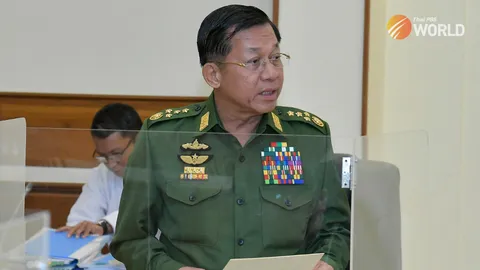
Myanmar's military junta extended emergency rule for six months and postponed elections, with Senior General Min Aung Hlaing consolidating power by reshuffling his administration.
Widespread public anger and civil disobedience persist, while the junta faces increasing regional and international isolation, including ASEAN's shift to engage all stakeholders.
Brutal conflict continues as the junta employs extensive air power against civilian and military targets, prompting the international community to intensify support for resistance forces.
Thailand's Education Ministry is implementing a four-pronged strategy to address its students' below-average performance in PISA 2025 and tackle significant educational inequality.
The plan prioritizes closing performance gaps by increasing funding for small and low-income schools, overhauling the curriculum to foster critical thinking, and adopting a data-driven management system to reduce teacher workload.
Key initiatives include enhancing school safety, combating cyberbullying, and expanding mental health support through peer-to-peer networks, recognizing the severe impact of distress on academic performance.
An education expert advises verifying if PISA improvements stem from structural changes, advocating for a revived STEM curriculum with practical 'learn by doing' methods, and urging bureaucratic reform to link teacher evaluations to student development.