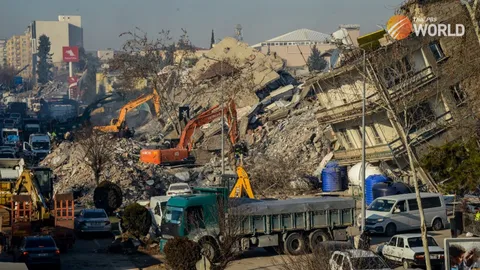
The devastating earthquake in Turkey and Syria temporarily united the world, mobilizing global resources and transcending political and religious differences to save lives.
Despite the initial overwhelming response, this sense of global unity and urgency is fleeting, with media attention quickly shifting back to political disputes as the death toll rises.
The article critically questions the world's resource allocation, contrasting over $2 trillion in global military spending with the challenges in delivering timely and effective humanitarian aid.
Sanctions against Syria are reportedly hindering urgent aid delivery, highlighting how political tools can impede humanitarian efforts in times of crisis.
The piece concludes by urging the world to transform these temporary "glimpses of hope" seen during disasters into a lasting global norm of unity and effective resource utilization for human well-being.
Thailand's Education Ministry is implementing a four-pronged strategy to address its students' below-average performance in PISA 2025 and tackle significant educational inequality.
The plan prioritizes closing performance gaps by increasing funding for small and low-income schools, overhauling the curriculum to foster critical thinking, and adopting a data-driven management system to reduce teacher workload.
Key initiatives include enhancing school safety, combating cyberbullying, and expanding mental health support through peer-to-peer networks, recognizing the severe impact of distress on academic performance.
An education expert advises verifying if PISA improvements stem from structural changes, advocating for a revived STEM curriculum with practical 'learn by doing' methods, and urging bureaucratic reform to link teacher evaluations to student development.