Suchada: Meet the reluctant star of Thailand’s cryptic crypto drama
Speculation growing over merger between Bhumjaithai and Kla Tham parties
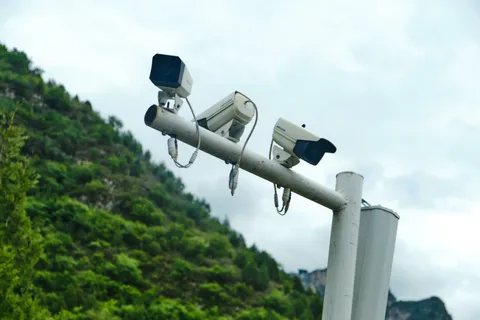
Camera shortage becomes an excuse to delay implementing key provisions of anti-torture law
AI In-Brief
Thailand News in Brief
Thai PBS World
Thailand and the world, every day
AI can make mistakes. Please double-check.
Camera shortage becomes an excuse to delay implementing key provisions of anti-torture law
13 Sept 08:43Key points summarised by AI
Thailand's government postponed critical provisions (Articles 22-25) of its anti-torture and forced disappearance act until October, citing a shortage of 170,000 surveillance cameras and a need for official training.
These delayed articles are essential for preventing abuse, mandating video/audio recordings during arrests and detentions, and requiring transparent reporting of detainee information and causes of death in custody.
Human rights organizations, including Human Rights Watch, strongly criticize the delay as a 'frivolous excuse,' arguing that authorities had sufficient time to procure equipment and train personnel.
Police requested a 3.4 billion baht budget for the necessary equipment, but funds are not available until the next fiscal year, leading to the eight-month postponement.
Critics argue this delay undermines long-standing efforts to address Thailand's documented history of torture and enforced disappearances, despite the law being a direct response to past abuses and civic advocacy.
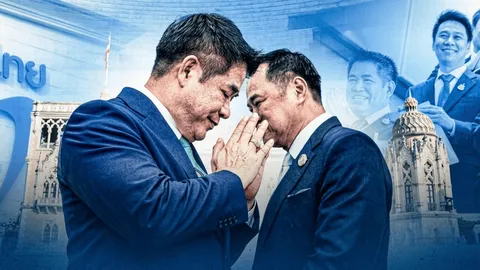
Speculation growing over merger between Bhumjaithai and Kla Tham parties
Yesterday 16:46Key points summarised by AI
A dinner between Bhumjaithai and Kla Tham party leaders sparked rumors of a potential merger, though Bhumjaithai's leader, Anutin, downplayed it as a casual meal.
The meeting is widely interpreted as a strategic message from Bhumjaithai to the Pheu Thai party, signaling alternative support ahead of an upcoming no-confidence debate.
Thailand's Constitution (Section 99) currently prohibits direct mergers of parties with sitting MPs during the House's term, a rule designed to prevent the 'buying and selling' of MPs.
While direct mergers are restricted, MPs can still switch parties if dismissed by a three-fourths party vote or if their party dissolves, allowing for indirect political realignments.
Kla Tham's voting behavior in the censure debate will demonstrate its loyalty to the government, potentially influencing future political dynamics despite current merger restrictions.