Bai Lu meet-and-greet cancelled days after China’s safety warning
Speculation growing over merger between Bhumjaithai and Kla Tham parties
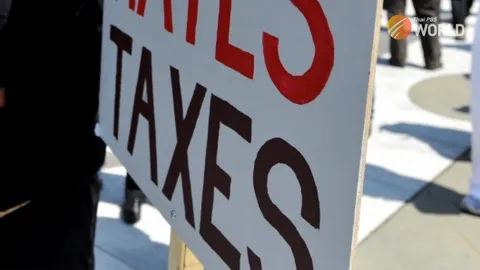
The art of raising taxes without incurring the public wrath
AI In-Brief
Thailand News in Brief
Thai PBS World
Thailand and the world, every day
AI can make mistakes. Please double-check.
The art of raising taxes without incurring the public wrath
14 Sept 04:38Key points summarised by AI
Politicians typically avoid tax hikes, but economists suggest strategies like 'political earmarking' to gain public support for increased taxation, especially when funding ambitious social welfare programs.
"Political earmarking" involves explicitly dedicating all additional revenue from a tax increase, such as VAT, to specific, popular causes like supporting the poor, children's welfare, or elderly care.
Thailand, facing pressure for more social welfare spending with a relatively low VAT rate, could significantly increase revenue by raising VAT and transparently earmarking the funds for public benefit.
Former Japanese Prime Minister Shinzo Abe successfully raised sales tax by promising the additional income would directly fund children's welfare and education, showcasing how clear allocation can secure public acceptance.
This strategy disproportionately benefits lower-income groups, as their contribution to consumption taxes is smaller than the direct benefits they receive from the earmarked funds, making tax hikes more palatable.
Speculation growing over merger between Bhumjaithai and Kla Tham parties
Today 16:46Key points summarised by AI
A dinner between Bhumjaithai and Kla Tham party leaders sparked rumors of a potential merger, though Bhumjaithai's leader, Anutin, downplayed it as a casual meal.
The meeting is widely interpreted as a strategic message from Bhumjaithai to the Pheu Thai party, signaling alternative support ahead of an upcoming no-confidence debate.
Thailand's Constitution (Section 99) currently prohibits direct mergers of parties with sitting MPs during the House's term, a rule designed to prevent the 'buying and selling' of MPs.
While direct mergers are restricted, MPs can still switch parties if dismissed by a three-fourths party vote or if their party dissolves, allowing for indirect political realignments.
Kla Tham's voting behavior in the censure debate will demonstrate its loyalty to the government, potentially influencing future political dynamics despite current merger restrictions.