Bai Lu meet-and-greet cancelled days after China’s safety warning
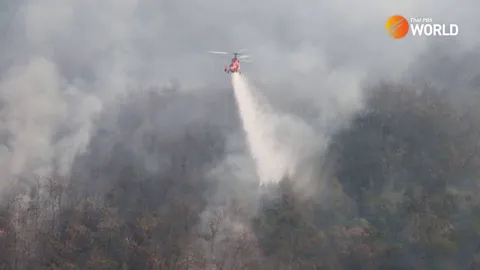
90 percent of hotspots in northern Thailand caused by human activity
AI In-Brief
Thailand News in Brief
Thai PBS World
Thailand and the world, every day
AI can make mistakes. Please double-check.
90 percent of hotspots in northern Thailand caused by human activity
21 Sept 22:37Key points summarised by AI
Human Activity Dominates Hotspots: 90% of northern Thailand's hotspots, primarily in conserved forests, are human-induced, significantly contributing to PM2.5 pollution.
Alarming Air Quality: Chiang Mai currently ranks as the second-worst city globally for air quality (AQI 177), severely impacting public health.
Agricultural Burning Fuels Crisis: Farmers burning sugarcane and maize crops, often due to sugar mill closures, is identified as a major cause of increased hotspots in agricultural regions.
Worsening Outlook & Ineffective Solutions: The pollution is expected to intensify, and current efforts to combat fires are deemed insufficient as they address symptoms rather than the root cause of human-started blazes.
Bai Lu meet-and-greet cancelled days after China’s safety warning
Yesterday 15:28Key points summarised by AI
Thailand's Tourism and Sports Minister announced the government will seek clarification from the Chinese Embassy regarding its recent travel advisory warning Chinese nationals about safety concerns in Thailand.
The travel advisory is anticipated to negatively impact the number of Chinese tourists visiting Thailand, despite recent increases in arrivals.
A meet-and-greet event featuring Chinese actress Bai Lu, a WeTV Global Ambassador, was abruptly cancelled just days after the Chinese Embassy issued its safety warning, though no official reason was provided.
The Chinese Embassy's advisory urged citizens to beware of job scams, fraudulent investments, suspicious travel arrangements, and the risk of illegal detention or being lured to the Thai-Myanmar border.
Chinese nationals were advised to verify job offers, use legitimate transport, avoid high-risk border areas, protect personal documents, and keep family informed of travel plans.