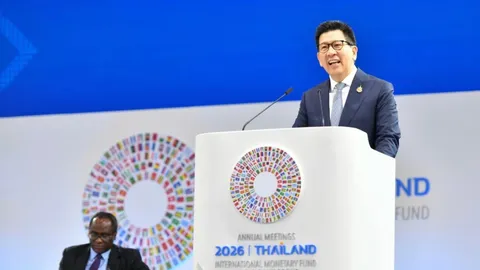
OECD supports Thailand’s accession to the organisation in 2028
Thailand secures US$200m World Bank loan for clean energy and low carbon cities
Poll shows most oppose liberalisation of alcohol, e-cigarettes, cannabis and gambling
AI In-Brief
Thailand News in Brief
Thai PBS World
Thailand and the world, every day
AI can make mistakes. Please double-check.
Poll shows most oppose liberalisation of alcohol, e-cigarettes, cannabis and gambling
28 Sept 04:38Key points summarised by AI
A recent poll conducted by a network of children's rights groups and research institutes reveals widespread public opposition to policies liberalising alcohol, e-cigarettes, cannabis, and gambling.
A significant majority (56.1%) of respondents oppose cannabis decriminalisation, with over half also disagreeing with its household use and backyard cultivation.
Over half (55.5%) of respondents disagree with removing restrictions on alcohol sales during specific hours, and a majority of alcohol drinkers reject proposals to liberalise alcohol production.
Nearly half (47%) of respondents view e-cigarette legalisation as more harmful than useful, with concerns raised about users' susceptibility to depression, cancer, and lung diseases.
Youth advocates urge political parties to prioritize policies that benefit young people, cautioning against measures that could lead to vice and undermine their physical and mental health.
Thailand secures US$200m World Bank loan for clean energy and low carbon cities
Yesterday 09:24Key points summarised by AI
Thailand secured a US$200 million loan from the World Bank to significantly invest in clean energy and low-carbon urban development initiatives.
The program aims to drive clean energy funding and low-carbon growth, ensuring a just transition for small and medium-sized enterprises, workers, farmers, and local communities.
Channelled through the Export-Import Bank of Thailand, the loan will fund energy efficiency upgrades in public buildings and industrial areas, including rooftop solar installations and electrical system modernizations, reducing initial capital burdens via Energy Service Companies (ESCOs).