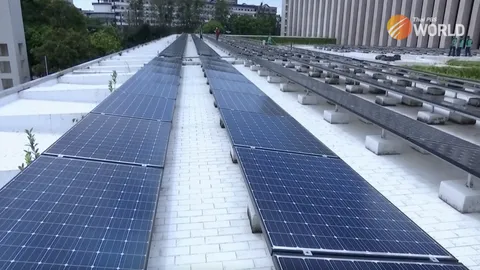
Jakarta's Grand Istiqlal Mosque pioneers renewable energy adoption, with over 500 solar panels installed in 2019 now serving as a primary electricity source.
The mosque actively promotes an "energy waqf," an Islamic donation model, to further expand its capacity for generating renewable power.
This initiative is part of a broader "Green Ramadan" movement, encouraging eco-friendly practices like waste reduction, water conservation, and funding clean energy projects globally.
Indonesian Vice President Ma'ruf Amin advocates for Islamic leaders to champion environmental action and support climate change solutions through donations to green projects like the mosque's solar initiative.
Thailand's Education Ministry is implementing a four-pronged strategy to address its students' below-average performance in PISA 2025 and tackle significant educational inequality.
The plan prioritizes closing performance gaps by increasing funding for small and low-income schools, overhauling the curriculum to foster critical thinking, and adopting a data-driven management system to reduce teacher workload.
Key initiatives include enhancing school safety, combating cyberbullying, and expanding mental health support through peer-to-peer networks, recognizing the severe impact of distress on academic performance.
An education expert advises verifying if PISA improvements stem from structural changes, advocating for a revived STEM curriculum with practical 'learn by doing' methods, and urging bureaucratic reform to link teacher evaluations to student development.