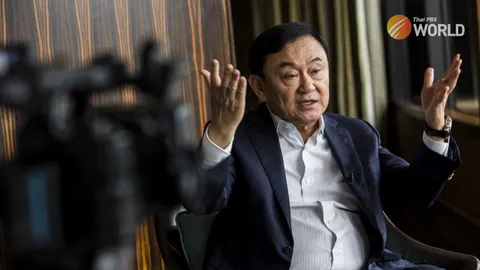
Thaksin Shinawatra's amplified speculation of an imminent homecoming serves as a high-stakes strategy for Pheu Thai, aiming to secure a decisive victory in the May 14 election amidst a surprising surge from the Move Forward party.
Pheu Thai, despite being widely predicted to win, faces increasing doubts about achieving a landslide, as opinion polls show Move Forward gaining significant traction and its leader surpassing Thaksin's daughter in popularity.
The Thai political landscape is highly fragmented, making alliances complex; potential partners Pheu Thai and Move Forward grapple with deep policy and ideological differences, signaling a potentially short 'honeymoon' if they form a government.
The post-election scenario is highly unpredictable, with various factors like the Senate's provisional powers and the possibility of unexpected coalitions, including a Pheu Thai-Palang Pracharath government, contributing to a deeply uncertain and complicated political future.
Thailand's Education Ministry is implementing a four-pronged strategy to address its students' below-average performance in PISA 2025 and tackle significant educational inequality.
The plan prioritizes closing performance gaps by increasing funding for small and low-income schools, overhauling the curriculum to foster critical thinking, and adopting a data-driven management system to reduce teacher workload.
Key initiatives include enhancing school safety, combating cyberbullying, and expanding mental health support through peer-to-peer networks, recognizing the severe impact of distress on academic performance.
An education expert advises verifying if PISA improvements stem from structural changes, advocating for a revived STEM curriculum with practical 'learn by doing' methods, and urging bureaucratic reform to link teacher evaluations to student development.