Thai people should not panic, but be aware of other countries’ advice to stockpile necessities
CAAT demands explanation from AOT over runway incident at Suvarnabhumi airport
Reading the story of Thailand’s election in campaign posters
AI In-Brief
Thailand News in Brief
Thai PBS World
Thailand and the world, every day
AI can make mistakes. Please double-check.
AI In-brief13 Sept 06:15
Reading the story of Thailand’s election in campaign posters
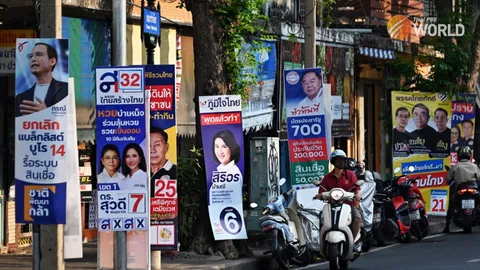
Campaign posters remain a primary communication channel in Thai elections, dominating public spaces with candidates' messages despite the rise of social media.
Political parties extensively use these posters to offer populist financial benefits, including cash handouts, pensions, and reduced utility costs, to attract voters.
These widespread populist promises face strong criticism from academics and former officials who deem them 'irresponsible' and a threat to national financial stability, warning of heavy national debts.
Despite fiscal warnings, parties persist with these populist strategies, acknowledging their effectiveness in swaying voters who anticipate personal economic gains.
Beyond financial incentives, some posters also address serious policy issues like military reform, environmental initiatives, or political reconciliation, with some even engaging in direct political jabs at rivals.
AI In-briefYesterday 12:46
CAAT demands explanation from AOT over runway incident at Suvarnabhumi airport
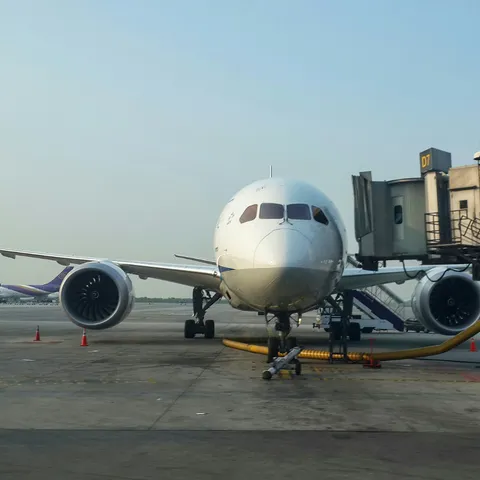
The Civil Aviation Authority of Thailand (CAAT) demanded an explanation from Airports of Thailand (AOT) after a China Airlines flight got stuck on a Suvarnabhumi runway due to heavy rain and groundwater.
CAAT urged AOT to implement technology for structural integrity testing across runways and taxiways, advocating for proactive maintenance to prevent future incidents.
AOT acknowledged that Suvarnabhumi's 20-year-old runway, built on soft soil with high water content, is structurally affected by continuous aircraft weight and heavy rainfall.
AOT committed to targeted runway maintenance during off-peak hours (10 days, 8 pm-6 am) to avoid full closure, emphasizing increased inspections and risk assessments.