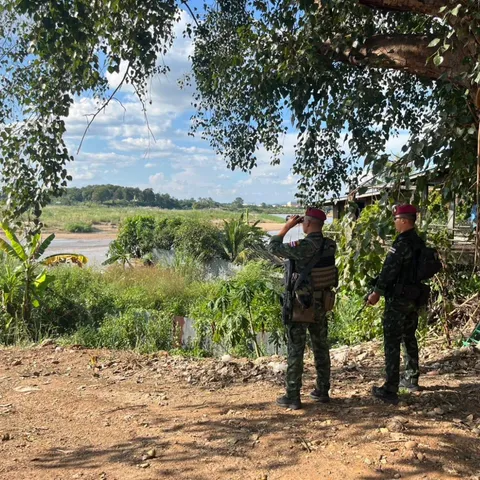
Thailand increases military presence near Myanmar border in Mae Sot district
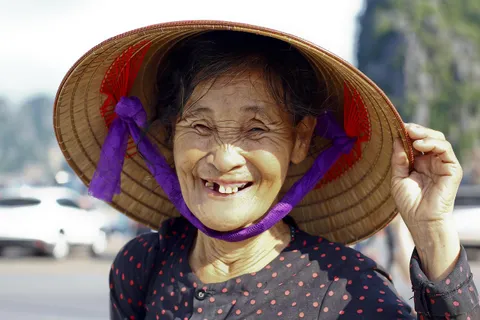
Truths and traditions behind Southeast Asian smiles
Palang Pracharath candidate sues two senior Democrats for slander
AI In-Brief
Thailand News in Brief
Thai PBS World
Thailand and the world, every day
AI can make mistakes. Please double-check.
AI In-brief14 Sept 05:26
Palang Pracharath candidate sues two senior Democrats for slander
Palang Pracharath candidate Thawee Suraban filed complaints with the Election Commission against senior Democrats Chuan Leekpai and Sathit Wongnongtaey, accusing them of slander during their election campaigns.
Separately, Pheu Thai candidate Kris Srifa requested a recount of ballots in Phang Nga's Constituency 2, citing alleged counting irregularities after losing by a narrow margin of 109 votes.
AI In-briefYesterday 20:20
Truths and traditions behind Southeast Asian smiles
Southeast Asian smiles are complex, multi-faceted forms of non-verbal communication, often conveying unspoken intentions, hopes, and cultural nuances beyond simple happiness.
Countries like Indonesia and Vietnam utilize smiles for diverse functions, including concealing negative emotions (anger, sadness, embarrassment) to maintain social harmony, coping with bad news, or expressing respect and apology.
The Philippines historically featured a unique tradition where women used an 'abanico' (fan) to cover their mouths while smiling, with specific fan movements subtly communicating messages, particularly during courtship.
Thailand, famously known as "The Land of Smiles," boasts a rich array of distinct smiles, each carrying specific meanings—from polite greetings (`yim thak thai`) to hidden sadness (`yim sao`) or triumph (`yim cheuad cheuan`), reflecting the intricate layers of Thai culture.
Understanding these varied interpretations of smiles across Southeast Asia provides deeper insight into the region's diverse cultures, heritage, and the unspoken emotions within its warm and welcoming societies.