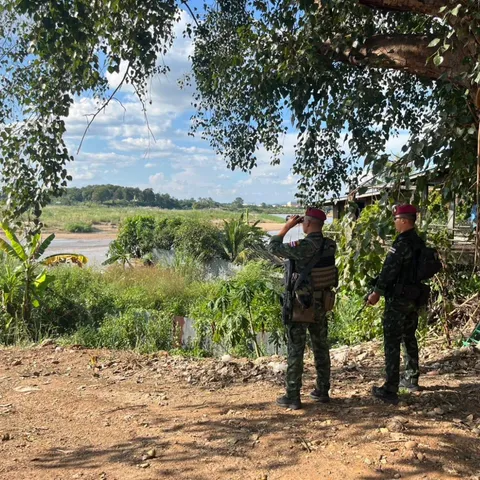
Thailand increases military presence near Myanmar border in Mae Sot district
Truths and traditions behind Southeast Asian smiles
Mai (New) party withdraws from Move Forward coalition after just one day
AI In-Brief
Thailand News in Brief
Thai PBS World
Thailand and the world, every day
AI can make mistakes. Please double-check.
AI In-brief21 Sept 08:13
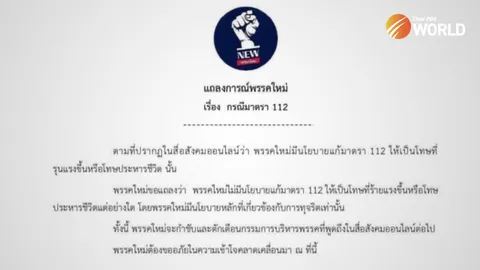
Mai (New) party withdraws from Move Forward coalition after just one day
The New party, holding a single House seat, withdrew from the Move Forward coalition just one day after joining, following social media criticism regarding a perceived policy on the lèse majesté law.
Party leader Kritditat Saengthanayothin clarified that increasing lèse majesté penalties to capital punishment was an individual's opinion, not party policy, emphasizing the party's core focus on combating corruption.
AI In-briefYesterday 20:20
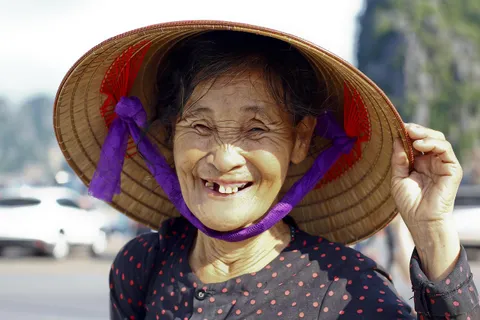
Truths and traditions behind Southeast Asian smiles
Southeast Asian smiles are complex, multi-faceted forms of non-verbal communication, often conveying unspoken intentions, hopes, and cultural nuances beyond simple happiness.
Countries like Indonesia and Vietnam utilize smiles for diverse functions, including concealing negative emotions (anger, sadness, embarrassment) to maintain social harmony, coping with bad news, or expressing respect and apology.
The Philippines historically featured a unique tradition where women used an 'abanico' (fan) to cover their mouths while smiling, with specific fan movements subtly communicating messages, particularly during courtship.
Thailand, famously known as "The Land of Smiles," boasts a rich array of distinct smiles, each carrying specific meanings—from polite greetings (`yim thak thai`) to hidden sadness (`yim sao`) or triumph (`yim cheuad cheuan`), reflecting the intricate layers of Thai culture.
Understanding these varied interpretations of smiles across Southeast Asia provides deeper insight into the region's diverse cultures, heritage, and the unspoken emotions within its warm and welcoming societies.