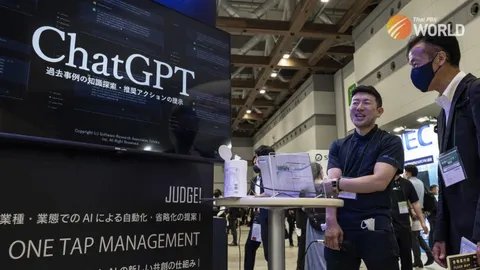
Generative AI, exemplified by ChatGPT, demands colossal financial investment, with OpenAI needing $100 billion to achieve its ambitions and model training costing tens of millions.
The prohibitive cost of building AI infrastructure forces most companies to rent computing power from tech giants like Microsoft, Google, and Amazon, deepening their dependency on cloud services.
Microsoft's multi-billion dollar AI bet is strategically aimed at protecting and monetizing its Azure cloud platform, intending to pass the high development costs onto its customers.
Experts warn that the escalating, often underestimated, costs of AI development and cloud computing risk stifling competition, solidifying the market dominance of a few well-resourced tech incumbents.
Thailand's Education Ministry is implementing a four-pronged strategy to address its students' below-average performance in PISA 2025 and tackle significant educational inequality.
The plan prioritizes closing performance gaps by increasing funding for small and low-income schools, overhauling the curriculum to foster critical thinking, and adopting a data-driven management system to reduce teacher workload.
Key initiatives include enhancing school safety, combating cyberbullying, and expanding mental health support through peer-to-peer networks, recognizing the severe impact of distress on academic performance.
An education expert advises verifying if PISA improvements stem from structural changes, advocating for a revived STEM curriculum with practical 'learn by doing' methods, and urging bureaucratic reform to link teacher evaluations to student development.