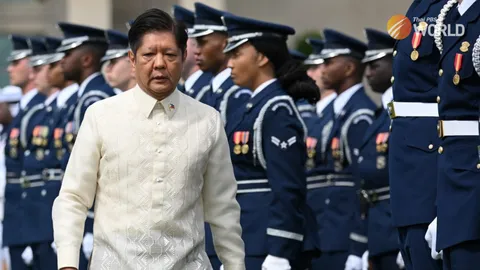
What's the state of Philippine human rights under Marcos?
AI In-Brief
Thailand News in Brief
Thai PBS World
Thailand and the world, every day
AI can make mistakes. Please double-check.
What's the state of Philippine human rights under Marcos?
21 Sept 03:55Key points summarised by AI
Despite presenting a more moderate image than his predecessor, President Marcos's administration sees little substantive change in human rights, according to activists.
The drug war continues under Marcos, with over 300 drug-related killings recorded during his term, despite a stated shift towards prevention and targeting major dealers.
Marcos opposes rejoining the International Criminal Court and its investigation into past drug war abuses, asserting the Philippines' justice system can handle it, yet convictions for police misconduct remain scarce.
The dangerous practice of 'red-tagging' government critics, linking them to communist rebels, persists under Marcos, who has not explicitly condemned it, maintaining a climate of fear for activists and journalists.
Thailand's Education Ministry is implementing a four-pronged strategy to address its students' below-average performance in PISA 2025 and tackle significant educational inequality.
The plan prioritizes closing performance gaps by increasing funding for small and low-income schools, overhauling the curriculum to foster critical thinking, and adopting a data-driven management system to reduce teacher workload.
Key initiatives include enhancing school safety, combating cyberbullying, and expanding mental health support through peer-to-peer networks, recognizing the severe impact of distress on academic performance.
An education expert advises verifying if PISA improvements stem from structural changes, advocating for a revived STEM curriculum with practical 'learn by doing' methods, and urging bureaucratic reform to link teacher evaluations to student development.