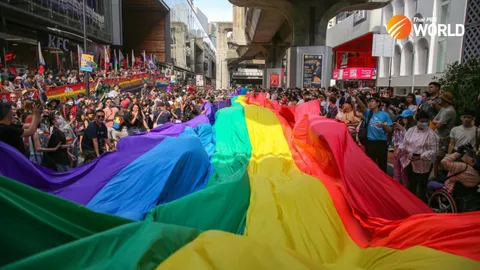
Thailand projects an image of LGBTQ+ tolerance, exemplified by a successful Bangkok Pride 2023, yet research reveals a stark paradox with over half of LGBT students experiencing bullying and widespread discrimination in workplaces.
Beneath the surface, LGBTQ+ individuals face significant challenges, including a lack of legal protections against discrimination and societal expectations that limit opportunities, particularly for trans people in higher-paying or formal roles.
Acceptance in Thailand is often conditional and context-dependent, being more prevalent in informal settings but severely lacking in formal sectors like civil service, where rigid gender expression norms lead to discrimination.
To truly achieve its ambition of hosting World Pride 2028 and becoming a safe destination, Thailand must move beyond superficial acceptance by implementing legal reforms like marriage equality and gender recognition, alongside fostering unconditional societal acceptance for its own LGBTQ+ citizens.
Thailand's Education Ministry is implementing a four-pronged strategy to address its students' below-average performance in PISA 2025 and tackle significant educational inequality.
The plan prioritizes closing performance gaps by increasing funding for small and low-income schools, overhauling the curriculum to foster critical thinking, and adopting a data-driven management system to reduce teacher workload.
Key initiatives include enhancing school safety, combating cyberbullying, and expanding mental health support through peer-to-peer networks, recognizing the severe impact of distress on academic performance.
An education expert advises verifying if PISA improvements stem from structural changes, advocating for a revived STEM curriculum with practical 'learn by doing' methods, and urging bureaucratic reform to link teacher evaluations to student development.