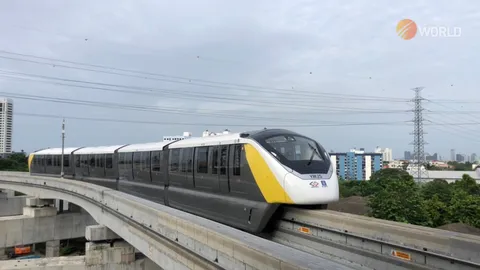
Bangkok is adding new train lines, but the high fares are not helping
AI In-Brief
Thailand News in Brief
Thai PBS World
Thailand and the world, every day
AI can make mistakes. Please double-check.
Bangkok is adding new train lines, but the high fares are not helping
13 Sept 13:26Key points summarised by AI
Bangkok's new Yellow Line monorail, expanding commuting options, launched with fares (15-45 baht) sparking public discontent due to their high cost compared to other countries and local affordability.
Systemic issues like a 'first-entry fee' for switching lines, fragmented operations between private companies, and inadequate station facilities hinder seamless usage and accessibility for commuters.
The incoming government faces pressure to address high fares through concession reviews or subsidies, while also managing the Bangkok Metropolitan Administration's 120 billion baht debt from previous rail extensions.
Despite challenges, the electric train system contributes to green bond growth and aims to improve urban mobility with plans for feeder systems and potential rail development in other major Thai cities to alleviate traffic congestion.
Thailand's Education Ministry is implementing a four-pronged strategy to address its students' below-average performance in PISA 2025 and tackle significant educational inequality.
The plan prioritizes closing performance gaps by increasing funding for small and low-income schools, overhauling the curriculum to foster critical thinking, and adopting a data-driven management system to reduce teacher workload.
Key initiatives include enhancing school safety, combating cyberbullying, and expanding mental health support through peer-to-peer networks, recognizing the severe impact of distress on academic performance.
An education expert advises verifying if PISA improvements stem from structural changes, advocating for a revived STEM curriculum with practical 'learn by doing' methods, and urging bureaucratic reform to link teacher evaluations to student development.