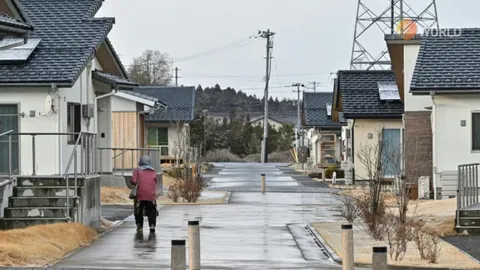
IAEA endorses Japan plan to release treated Fukushima water
AI In-Brief
Thailand News in Brief
Thai PBS World
Thailand and the world, every day
AI can make mistakes. Please double-check.
IAEA endorses Japan plan to release treated Fukushima water
13 Sept 21:39Key points summarised by AI
The International Atomic Energy Agency (IAEA) has officially endorsed Japan's plan to release treated water from the Fukushima nuclear plant, confirming it meets international safety standards and will have a "negligible radiological impact" on people and the environment.
Japan's strategy involves diluting the accumulated water, which largely consists of groundwater and cooling water processed to remove most radionuclides (except tritium), and gradually discharging it into the sea over several decades, with the release expected to begin this summer.
Despite the IAEA's comprehensive review and approval, the plan faces significant international controversy, including vocal criticism from China, panic-buying of salt in South Korea, and concerns from Fukushima's fishing communities about potential reputational damage to their catches.
The IAEA will establish a permanent office at the Fukushima site to provide continuous, on-site monitoring of the water release process, aiming to ensure ongoing safety and transparency.
Thailand's Education Ministry is implementing a four-pronged strategy to address its students' below-average performance in PISA 2025 and tackle significant educational inequality.
The plan prioritizes closing performance gaps by increasing funding for small and low-income schools, overhauling the curriculum to foster critical thinking, and adopting a data-driven management system to reduce teacher workload.
Key initiatives include enhancing school safety, combating cyberbullying, and expanding mental health support through peer-to-peer networks, recognizing the severe impact of distress on academic performance.
An education expert advises verifying if PISA improvements stem from structural changes, advocating for a revived STEM curriculum with practical 'learn by doing' methods, and urging bureaucratic reform to link teacher evaluations to student development.