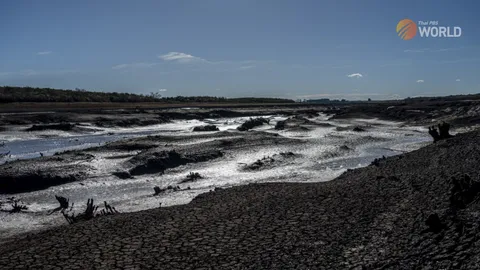
The UN's World Meteorological Organization (WMO) confirmed El Nino is underway and is highly likely to persist throughout 2023, signaling a significant increase in global temperatures and extreme weather events.
El Nino, a naturally occurring climate pattern, will trigger increased heat worldwide, severe droughts in some areas, and heavy rains in others, with its most pronounced warming effect expected in 2024.
Governments are urged to mobilize preparations to mitigate impacts on health, ecosystems, and economies, emphasizing early warnings and proactive measures to save lives and livelihoods.
This El Nino follows an unusually protracted 'triple-dip' La Nina from 2020-2023, which temporarily curbed rising global temperatures, yet the WMO predicts the next five years will be the warmest on record.
The World Health Organization (WHO) is preparing for severe health consequences, including potential increases in cholera, mosquito-borne diseases, extreme heat, wildfires, and food insecurity in affected regions.
Thailand's Education Ministry is implementing a four-pronged strategy to address its students' below-average performance in PISA 2025 and tackle significant educational inequality.
The plan prioritizes closing performance gaps by increasing funding for small and low-income schools, overhauling the curriculum to foster critical thinking, and adopting a data-driven management system to reduce teacher workload.
Key initiatives include enhancing school safety, combating cyberbullying, and expanding mental health support through peer-to-peer networks, recognizing the severe impact of distress on academic performance.
An education expert advises verifying if PISA improvements stem from structural changes, advocating for a revived STEM curriculum with practical 'learn by doing' methods, and urging bureaucratic reform to link teacher evaluations to student development.