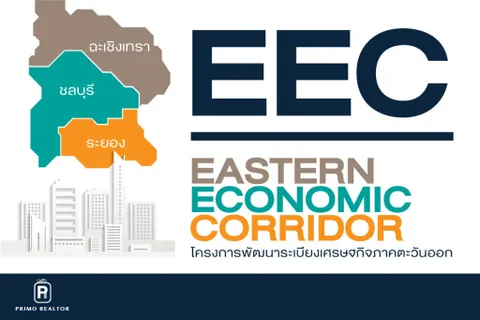
The Eastern Economic Corridor (EEC), launched in 2018, aims to transform three eastern provinces into a next-generation growth area, showing progress in worker training and precision medicine initiatives.
Significant infrastructure projects, including the high-speed railway and Laemchabang port expansion, face considerable delays, and investment largely favors existing industries over the targeted new S-Curve sectors.
The incoming government is urged to accelerate delayed infrastructure projects, transparently review existing contracts, adapt targeted industries to changing environments, and address increasing pollution concerns to secure foreign investment.
Thailand's Education Ministry is implementing a four-pronged strategy to address its students' below-average performance in PISA 2025 and tackle significant educational inequality.
The plan prioritizes closing performance gaps by increasing funding for small and low-income schools, overhauling the curriculum to foster critical thinking, and adopting a data-driven management system to reduce teacher workload.
Key initiatives include enhancing school safety, combating cyberbullying, and expanding mental health support through peer-to-peer networks, recognizing the severe impact of distress on academic performance.
An education expert advises verifying if PISA improvements stem from structural changes, advocating for a revived STEM curriculum with practical 'learn by doing' methods, and urging bureaucratic reform to link teacher evaluations to student development.