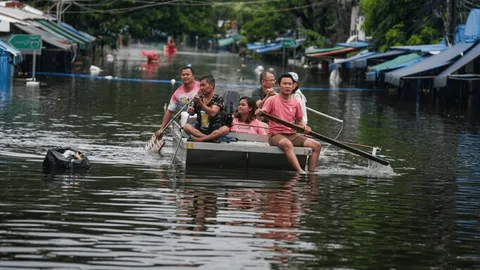
Cabinet approves ฿10.5bn central fund for flood relief
Bai Lu meet-and-greet cancelled days after China’s safety warning
Thai PM urges supporters of “digital wallet” scheme to speak up
AI In-Brief
Thailand News in Brief
Thai PBS World
Thailand and the world, every day
AI can make mistakes. Please double-check.
Thai PM urges supporters of “digital wallet” scheme to speak up
23 Sept 02:03Key points summarised by AI
Prime Minister Srettha Thavisin urges the public who support the government's "digital wallet" scheme to voice their opinions, preventing opponents from dominating the conversation.
He defends the controversial 10,000 baht per person payment, highlighting its potential to inject substantial funds into local communities for development.
The scheme faces significant opposition from 99 academics and former Bank of Thailand governors, who argue its estimated 560 billion baht expenditure is unwarranted.
Under the plan, Thai nationals aged 16 and over will receive a one-time 10,000 baht payment for spending locally within a 4km radius or at state-run Blue Flag shops.
Bai Lu meet-and-greet cancelled days after China’s safety warning
Yesterday 15:28Key points summarised by AI
Thailand's Tourism and Sports Minister announced the government will seek clarification from the Chinese Embassy regarding its recent travel advisory warning Chinese nationals about safety concerns in Thailand.
The travel advisory is anticipated to negatively impact the number of Chinese tourists visiting Thailand, despite recent increases in arrivals.
A meet-and-greet event featuring Chinese actress Bai Lu, a WeTV Global Ambassador, was abruptly cancelled just days after the Chinese Embassy issued its safety warning, though no official reason was provided.
The Chinese Embassy's advisory urged citizens to beware of job scams, fraudulent investments, suspicious travel arrangements, and the risk of illegal detention or being lured to the Thai-Myanmar border.
Chinese nationals were advised to verify job offers, use legitimate transport, avoid high-risk border areas, protect personal documents, and keep family informed of travel plans.