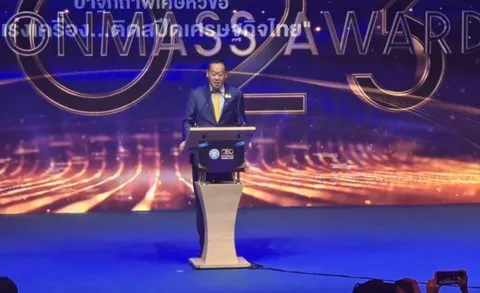
PM Srettha Thavisin identifies Thailand's urgent economic challenges, citing a decade of low 1.8% growth and high household debt (90% of GDP), necessitating a major boost to escape the middle-income trap.
The government has implemented short-term relief measures, including debt moratoriums for farmers and reduced power, fuel, and train fares, to alleviate immediate financial burdens.
Long-term strategies involve aggressively negotiating new free trade agreements, attracting foreign investment through PM-led business trips, and developing the southern land bridge as a major logistics and production hub.
Thailand aims to leverage its strategic location and natural resources to become an attractive destination for foreign investment, driving significant economic and social development.
Thailand's Education Ministry is implementing a four-pronged strategy to address its students' below-average performance in PISA 2025 and tackle significant educational inequality.
The plan prioritizes closing performance gaps by increasing funding for small and low-income schools, overhauling the curriculum to foster critical thinking, and adopting a data-driven management system to reduce teacher workload.
Key initiatives include enhancing school safety, combating cyberbullying, and expanding mental health support through peer-to-peer networks, recognizing the severe impact of distress on academic performance.
An education expert advises verifying if PISA improvements stem from structural changes, advocating for a revived STEM curriculum with practical 'learn by doing' methods, and urging bureaucratic reform to link teacher evaluations to student development.