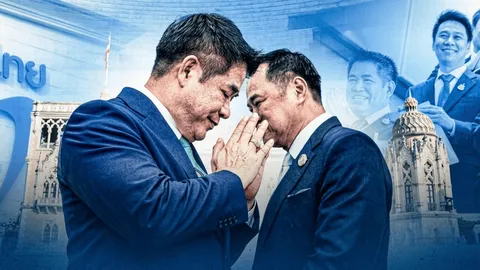
Speculation growing over merger between Bhumjaithai and Kla Tham parties
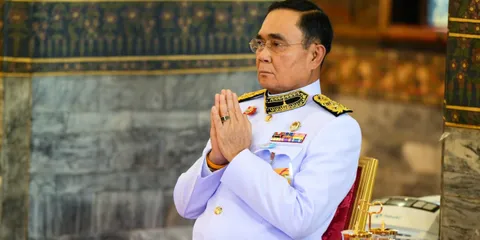
The who, where, and what of Thailand's Privy Council as ex-PM Prayut becomes latest member
AI In-Brief
Thailand News in Brief
Thai PBS World
Thailand and the world, every day
AI can make mistakes. Please double-check.
The who, where, and what of Thailand's Privy Council as ex-PM Prayut becomes latest member
13 Sept 23:55Key points summarised by AI
Former Prime Minister General Prayut Chan-o-cha was appointed to Thailand's Privy Council, bringing its membership to the constitutional limit of 19 advisors to the King.
The Privy Council's primary role is to advise His Majesty the King on all royal functions and constitutional matters, including the appointment of a regent and succession to the throne.
Councilors, selected and appointed by the King, are constitutionally prohibited from holding political office, being affiliated with any political party, or serving in other public capacities to ensure their non-partisan status.
Established in 1874, the current council is presided over by General Surayud Chulanont and includes many members with significant military backgrounds, receiving a monthly stipend for their service.
Speculation growing over merger between Bhumjaithai and Kla Tham parties
Yesterday 16:46Key points summarised by AI
A dinner between Bhumjaithai and Kla Tham party leaders sparked rumors of a potential merger, though Bhumjaithai's leader, Anutin, downplayed it as a casual meal.
The meeting is widely interpreted as a strategic message from Bhumjaithai to the Pheu Thai party, signaling alternative support ahead of an upcoming no-confidence debate.
Thailand's Constitution (Section 99) currently prohibits direct mergers of parties with sitting MPs during the House's term, a rule designed to prevent the 'buying and selling' of MPs.
While direct mergers are restricted, MPs can still switch parties if dismissed by a three-fourths party vote or if their party dissolves, allowing for indirect political realignments.
Kla Tham's voting behavior in the censure debate will demonstrate its loyalty to the government, potentially influencing future political dynamics despite current merger restrictions.