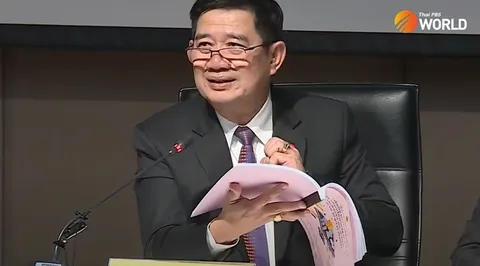
National anti-graft watchdog raises reservations over government's digital wallet scheme
AI In-Brief
Thailand News in Brief
Thai PBS World
Thailand and the world, every day
AI can make mistakes. Please double-check.
National anti-graft watchdog raises reservations over government's digital wallet scheme
26 Sept 14:47Key points summarised by AI
**NACC Expresses Reservations:** The National Anti-Corruption Commission (NACC) has not approved or rejected the government's digital wallet scheme but voices significant concerns regarding its legality, fiscal discipline, and potential for corruption.
**Identifies Key Risks:** A NACC panel study highlights four main issues: risk of policy corruption, lack of economic necessity for universal distribution, potential constitutional breaches, and questions about blockchain technology's appropriateness.
**Advises Caution & Targeting:** The NACC urges the government to proceed with extreme caution, ensuring the 500 billion baht expenditure is justified, adheres to good governance, and suggests targeting aid only to the poor through conventional budgetary means instead of a loan.
**Warns of Fiscal Burden:** The watchdog emphasizes that the scheme's hefty cost will impose a long-term financial burden on the national exchequer and the public, requiring budget allocations for loan repayments for up to five years.
Thailand's Education Ministry is implementing a four-pronged strategy to address its students' below-average performance in PISA 2025 and tackle significant educational inequality.
The plan prioritizes closing performance gaps by increasing funding for small and low-income schools, overhauling the curriculum to foster critical thinking, and adopting a data-driven management system to reduce teacher workload.
Key initiatives include enhancing school safety, combating cyberbullying, and expanding mental health support through peer-to-peer networks, recognizing the severe impact of distress on academic performance.
An education expert advises verifying if PISA improvements stem from structural changes, advocating for a revived STEM curriculum with practical 'learn by doing' methods, and urging bureaucratic reform to link teacher evaluations to student development.