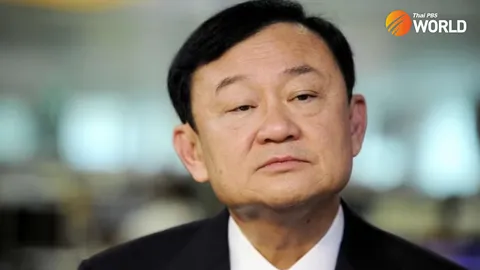
Why release of Thaksin could be a tipping point for Thai politics
AI In-Brief
Thailand News in Brief
Thai PBS World
Thailand and the world, every day
AI can make mistakes. Please double-check.
Why release of Thaksin could be a tipping point for Thai politics
13 Sept 06:06Key points summarised by AI
Thaksin Shinawatra's impending parole release, despite new charges, is expected to escalate the power struggle between Thailand's conservative elite and the former prime minister.
His perceived 'VIP treatment' and hospital stay raise concerns about judicial bias and public trust in key institutions, potentially destabilizing the foundations of the Thai monarchy.
Analysts suggest Thaksin may be executing a cunning political strategy to undermine the conservative establishment and rally his supporters, possibly hinting at a future alliance with the reformist Move Forward party.
The conservative elite's apprehension about Thaksin's post-May influence (when the Senate's PM selection power expires) is evident in the lese majeste charge against him and threats to Move Forward.
Future political realignments are predicted, with Pheu Thai potentially abandoning its current allies to partner with Move Forward in the next election, given the latter's popularity.
Thailand's Education Ministry is implementing a four-pronged strategy to address its students' below-average performance in PISA 2025 and tackle significant educational inequality.
The plan prioritizes closing performance gaps by increasing funding for small and low-income schools, overhauling the curriculum to foster critical thinking, and adopting a data-driven management system to reduce teacher workload.
Key initiatives include enhancing school safety, combating cyberbullying, and expanding mental health support through peer-to-peer networks, recognizing the severe impact of distress on academic performance.
An education expert advises verifying if PISA improvements stem from structural changes, advocating for a revived STEM curriculum with practical 'learn by doing' methods, and urging bureaucratic reform to link teacher evaluations to student development.