Srettha walks a tightrope between maritime border and energy exploration with Cambodia
AI In-Brief
Thailand News in Brief
Thai PBS World
Thailand and the world, every day
AI can make mistakes. Please double-check.
AI In-brief14 Sept 02:00
Srettha walks a tightrope between maritime border and energy exploration with Cambodia
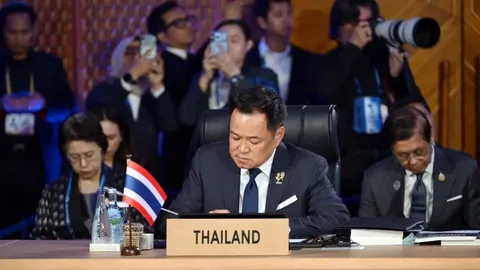
Thai Prime Minister Srettha Thavisin is pushing to resolve a long-standing maritime dispute with Cambodia over an energy-rich overlapping claims area in the Gulf of Thailand, vital for Thailand's energy security as domestic resources dwindle.
The 26,000 square kilometer disputed zone potentially holds significant natural gas and oil, prompting energy experts to urge accelerated negotiations to tap these resources quickly, warning that delays could diminish their future value.
Srettha emphasizes discussing both maritime boundary delimitation and joint hydrocarbon development simultaneously, navigating complex political sensitivities and historical concerns about territorial loss that have stalled talks since 2001.
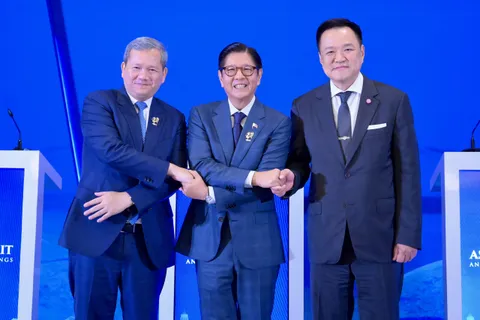
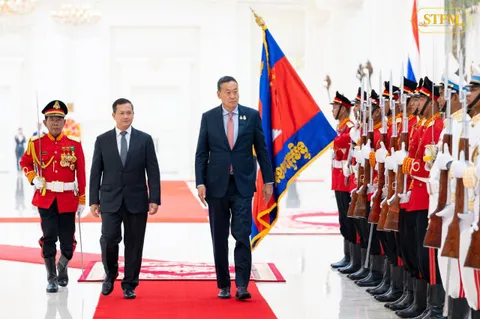
The recent meeting between Srettha and Cambodian PM Hun Manet aimed to elevate bilateral ties to a “strategic partnership,” fostering broader cooperation while underscoring the delicate balance required to resolve the energy and territorial dispute.
AI In-briefYesterday 13:12
Strategy to normalise Thai-Cambodia ties
A new report by the Institute of Strategic Policy (ISP) outlines a comprehensive strategy to achieve long-term diplomatic normalisation between Thailand and Cambodia, addressing persistent border friction.
The strategy begins with immediate de-escalation, enforcing strict troop stand-downs in contested zones, and empowering independent ASEAN observers to verify ceasefire compliance.
It emphasizes building confidence through direct media and diplomatic channels to combat disinformation, curb hostile rhetoric, and rebuild official trust between the nations.
For lasting stability, the plan calls for long-term institutional coexistence, including joint management of contested cultural sites, restoring local cross-border trade, and fostering shared regional economic interests.