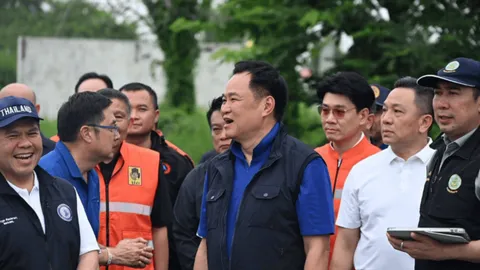
Will visa waivers help Thailand's tourism regain pre-pandemic levels?
AI In-Brief
Thailand News in Brief
Thai PBS World
Thailand and the world, every day
AI can make mistakes. Please double-check.
Will visa waivers help Thailand's tourism regain pre-pandemic levels?
13 Sept 07:27Key points summarised by AI
The permanent visa-free agreement between Thailand and China, effective March 1, is a significant catalyst, saving tourists money and time while rebuilding confidence and notably boosting Chinese arrivals.
Early indicators show positive trends, with overall tourist arrivals up 48% year-on-year and Chinese visitors leading the surge, demonstrating the waivers' effectiveness in increasing visitor numbers, particularly for independent travelers who maintain high spending.
Despite the positive impact, challenges such as China's slower economic growth affecting group spending and rising airfares could temper a full recovery to pre-pandemic levels, with current projections estimating an 85% recovery for overall foreign tourists this year.
Thailand is pursuing similar visa-free agreements with European countries and expanding year-round activities to diversify its tourist base and enhance its international image, crucial for sustained long-term tourism resilience beyond the initial boost.
Thailand's Education Ministry is implementing a four-pronged strategy to address its students' below-average performance in PISA 2025 and tackle significant educational inequality.
The plan prioritizes closing performance gaps by increasing funding for small and low-income schools, overhauling the curriculum to foster critical thinking, and adopting a data-driven management system to reduce teacher workload.
Key initiatives include enhancing school safety, combating cyberbullying, and expanding mental health support through peer-to-peer networks, recognizing the severe impact of distress on academic performance.
An education expert advises verifying if PISA improvements stem from structural changes, advocating for a revived STEM curriculum with practical 'learn by doing' methods, and urging bureaucratic reform to link teacher evaluations to student development.