Nationwide crackdown launched on illegal nominee shareholders and land holdings
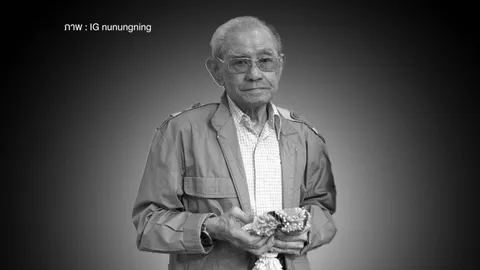
Narong Kittikachorn: Last of the ‘three tyrants’ unrepentant to the end
AI In-Brief
Thailand News in Brief
Thai PBS World
Thailand and the world, every day
AI can make mistakes. Please double-check.
Narong Kittikachorn: Last of the ‘three tyrants’ unrepentant to the end
14 Sept 17:00Key points summarised by AI
Colonel Narong Kittikachorn, the last of Thailand's "three tyrants" who ruled from 1963-1973, died at 90, maintaining his innocence regarding the 1973 student crackdown.
His regime, alongside his father and father-in-law, ended abruptly after the deadly October 1973 student uprising, where he was accused of firing on protesters from a helicopter.
Narong consistently denied these allegations, claiming he actually aborted a plan to storm Thammasat University and that political rivals manipulated the student protests.
Despite widespread accusations, he remained unrepentant until his death, asserting he "had done the right thing," and later returned to Thailand to pursue a political career.
Nationwide crackdown launched on illegal nominee shareholders and land holdings
Yesterday 15:20Key points summarised by AI
Thailand's Prime Minister Anutin Charnvirakul initiated a nationwide crackdown on illegal Thai nominee shareholders in foreign-run businesses and land holdings to safeguard national interests.
The government will integrate efforts across all relevant agencies to target illicit foreign operations, forced sales of illegally acquired property, and high-risk land ownership schemes.
Key strategies include auditing suspect land and building holdings, establishing a long-term monitoring system, and cross-referencing data from various authorities to trace ultimate beneficial owners.
Prime Minister Anutin emphasized that no influential figures or corrupt officials are above the law, promising straightforward prosecution, asset seizures, and protection for enforcing officers.
Beyond land ownership, the integrated crackdown will also extend to tackle transnational crimes, including drug and human trafficking.